 Provo
Provo Rodent Control in Foothills
Foothills homes back straight onto open mountain land — the backyard fence is the border between a subdivision and deer mouse country. We seal that border at the house, garage, and shed.
Call (385) 406-1774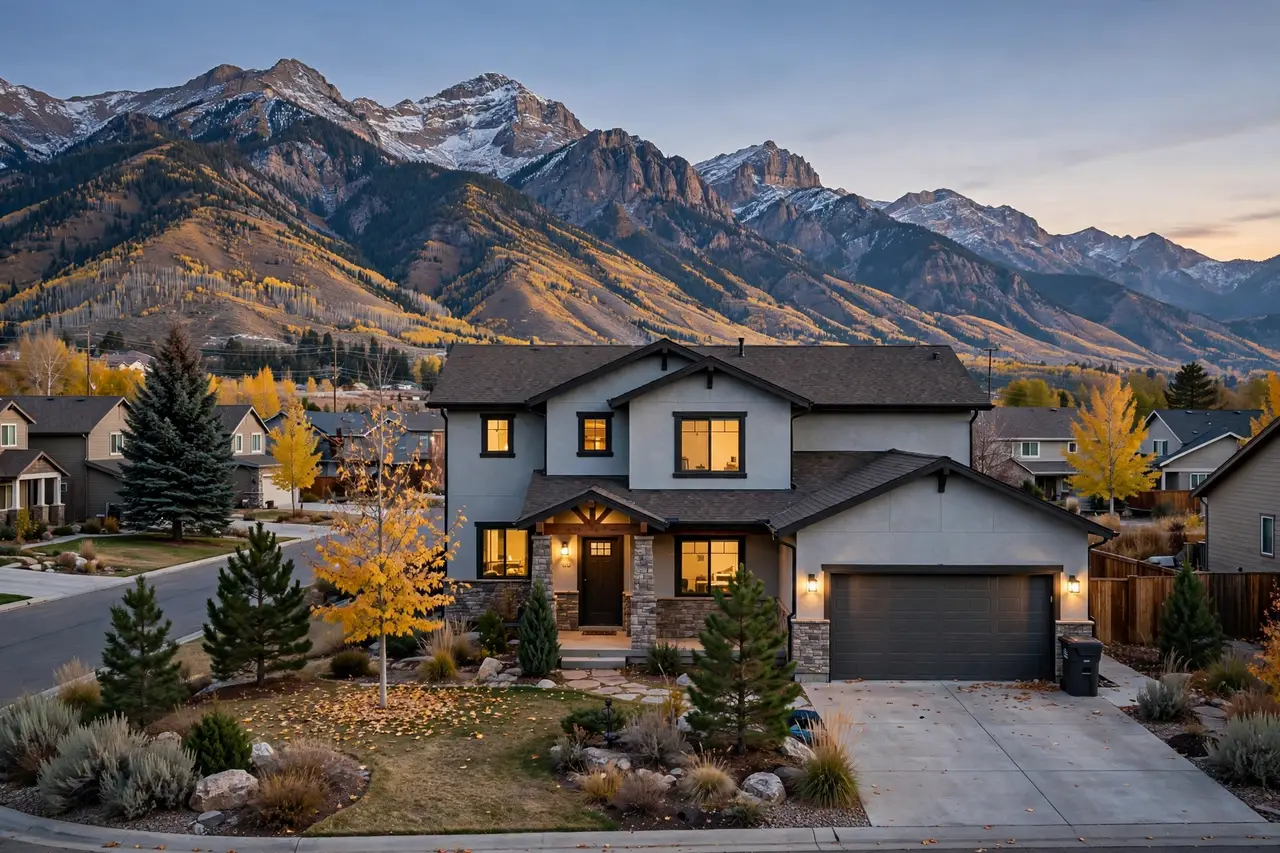
Your Local Foothills Rodent Exterminator
The Foothills neighborhood runs along Provo's eastern edge, where the streets end and the mountain begins. Many of its homes are newer builds, and they share one defining feature: their back fences open onto wild land. Grass, scrub, and rocky ground stretch up the slope behind them, and that ground was deer mouse habitat long before the first foundation was dug. Construction does not remove a mouse population — it displaces it temporarily. The mice wait out the building in the surrounding land, and when the house is finished, landscaped, and warm, they come back to the address. Newer Foothills homes are not being invaded from far away; they are being reoccupied.
The pattern usually announces itself in the outbuildings first. Garages and sheds at the foothill edge are quiet, cluttered with stored gear, seed, and pet food, and far less sealed than the house itself. Deer mice establish in a shed, then the garage, and explore the house from there — most often through the shared garage wall and its unsealed penetrations. Homeowners are often surprised that a fairly new home has any openings at all, but production building leaves them by default: lines punched through the shell and left open behind trim, garage corners that never quite meet, vent screens fitted loosely, roofline junctions on complicated roofs. A deer mouse needs a gap the size of a dime. A new house at the mountain's edge provides several, and the mice living twenty feet away find them in the first autumn.
Our Foothills work starts with the honest fact of the address: the pressure from the slope is permanent, so the house has to be permanently closed. Inspections cover the shell, the garage-to-house wall specifically, the shed and its floor line, and the back strip of the lot where cover meets foundation. Removal handles whoever is already inside; exclusion closes the build's leftover gaps; and a short list of yard habits — wood and equipment off the back wall, shed doors that actually shut — keeps the buffer working. Do that once, properly, and the wild backyard stays a view instead of a source.
Services Available in Foothills
Mice Control
Deer mice reoccupying newer homes from the slope behind them. We remove the mice from garage, walls, and attic, and trace the construction gaps they used to get in.
Mice control in Foothills →Rat Control
Rats are uncommon on the eastern edge, but we check sheds and ground cover during every inspection and clear any rat activity found along with its access points.
Rat control in Foothills →Rodent Removal
Removal focused where Foothills infestations actually start — sheds and garages — plus attics and walls once mice have crossed into the house.
Rodent removal in Foothills →Rodent Exclusion
Sealing the new-build gaps: utility penetrations left open behind trim, garage corners and the garage-to-house wall, loose vents, and multi-plane roofline junctions.
Exclusion in Foothills →Attic Rodent Control
Attic clearance and safe cleanup where deer mice have nested above newer homes, with the roofline sealed so the next fall's pressure meets a closed house.
Attic control in Foothills →Rodent Inspection
A shell, garage, shed, and back-lot inspection for foothill-edge addresses — built for the reality that the habitat behind the fence is permanent.
Inspection in Foothills →Why Foothills Calls Us
- New-build gap knowledge: we know where production construction leaves openings, because we seal them every week.
- Garage-first thinking: sheds and garages treated as the front line they actually are at the foothill edge.
- Permanent-pressure planning: exclusion built to hold against a mouse population that lives behind your fence year-round.
- Buffer advice that works: a short, practical list for the last thirty feet of your lot — no landscaping overhaul required.
Rodent Control FAQs for Foothills
My Foothills home is fairly new. Why does it already have mice?
Newer construction is not sealed construction. Utility lines are punched through the shell during the build and the gaps around them are often left unsealed behind siding and trim, garage door corners rarely close perfectly, and roofline junctions on multi-plane roofs leave small openings. A new home at the foothill edge gets tested by deer mice in its very first fall — the mice were already living on that land before the house was.
Why do I find droppings in the garage and shed but not the house?
That is the normal first stage at the foothill edge. Garages and sheds are quieter, less disturbed, and full of stored seed, pet food, and gear that smells like shelter. Deer mice establish there first and explore the house from the garage — especially through the wall between them. Treat garage-only activity seriously: it is the beachhead, and sealing the garage-to-house wall and the shed entries is much easier than an attic job later.
What can I do about the open land behind my Foothills home?
You cannot change the land, but you can change the last thirty feet. Keep the strip along your back foundation clear of dense ground cover and stored items, move woodpiles and equipment away from the walls, and keep shed doors and floors in repair. Combined with a sealed house shell, that buffer makes your home the hardest target on the street instead of the easiest.
Is fall really the worst time at the foothill edge?
Yes. Deer mice live outdoors through the warm months, and the first sustained cold on the bench triggers the move toward structures. September through November brings the heaviest pressure against Foothills homes. A late-summer inspection and sealing puts the closed house in place before that push, instead of reacting to scratching in October.
Other Provo Neighborhoods
Serving every part of the city — see the full Provo rodent control page for all twenty neighborhoods.
New Home, Old Neighbors in the Walls?
The deer mice were there first — but they do not have to stay. Call for an inspection and seal the build's leftover gaps.
Call (385) 406-1774