 Provo
Provo Rodent Exclusion in Provo, UT
Removing rodents solves this month's problem. Exclusion solves every month after it. Provo Rodent Pros finds the gaps mice and rats are using to enter your home — and seals them with materials they can't chew through.
Call (385) 406-1774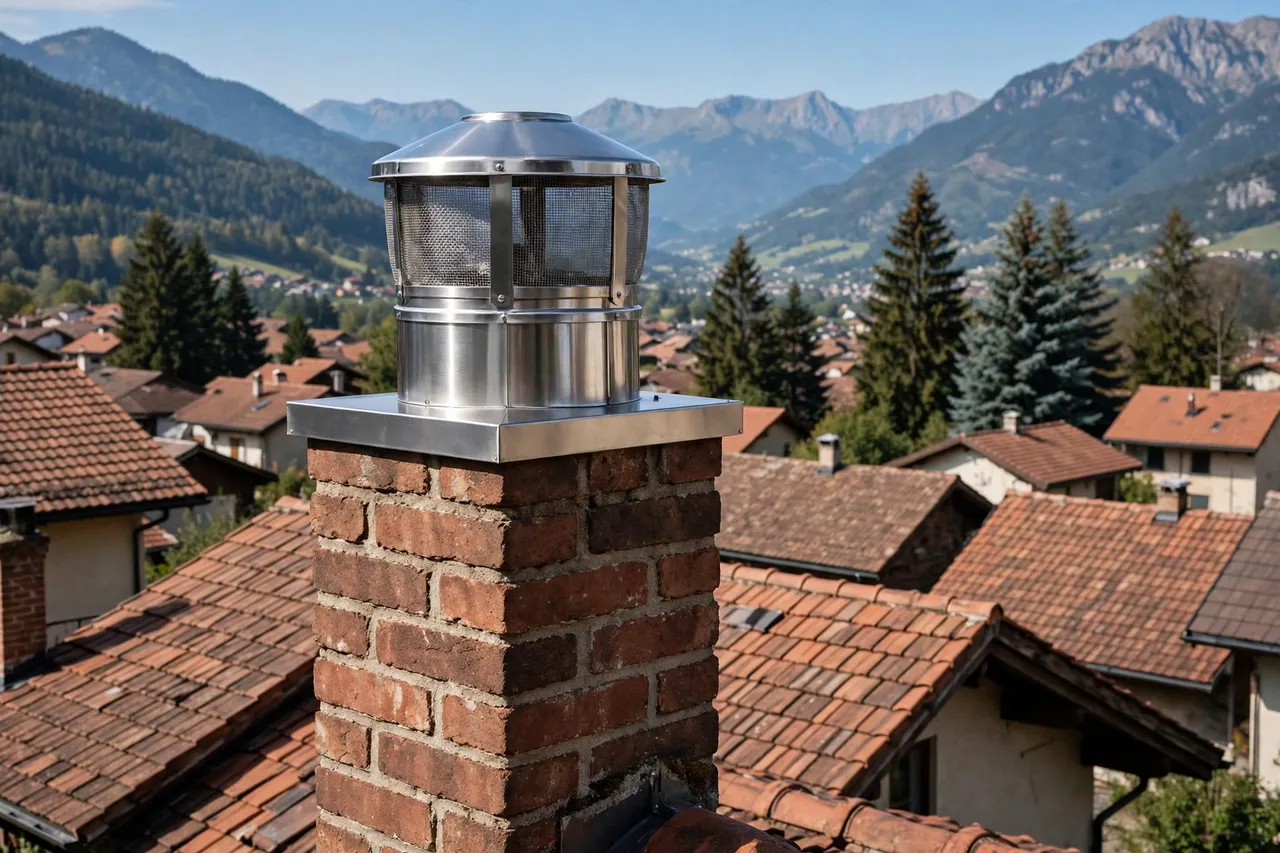
The Permanent Half of Rodent Control
Here is the pattern we see across Provo: a homeowner catches mice all winter, the activity stops in spring, and by October the scratching in the walls is back. Nothing about the trapping failed. The house simply stayed open. Mice follow scent trails back to entry points that worked before, and a gap that let one mouse in will let a hundred in over the years.
Exclusion is the work that breaks that cycle. It means auditing your home the way a rodent experiences it — from the ground up, gap by gap — and closing every opening with the right material for that spot. A mouse needs a hole only about a quarter of an inch wide, roughly the width of a pencil. A rat needs about half an inch. At that scale, "the house looks sealed" and "the house is sealed" are two very different things, and the difference is usually a handful of small openings around the garage, the utility lines, and the roofline that nobody ever looked at closely.
Exclusion pairs with rodent removal: removal clears out the animals already inside, then exclusion locks the doors behind them. Doing one without the other is how people end up paying for the same problem twice. If you're deciding between sealing and the broader prevention approach, our rodent proofing page explains how the two fit together.
Exclusion Services
Entry Point Sealing
The full-home audit and sealing of every gap rodents use — penetrations, corners, cracks, and transitions, sealed in the right order with the right materials.
Seal the entry points →Roofline Exclusion
Soffits, roof returns, and ridge vents are highways for climbing mice. We close the top of the house, not just the bottom.
Secure the roofline →Foundation Vent Screening
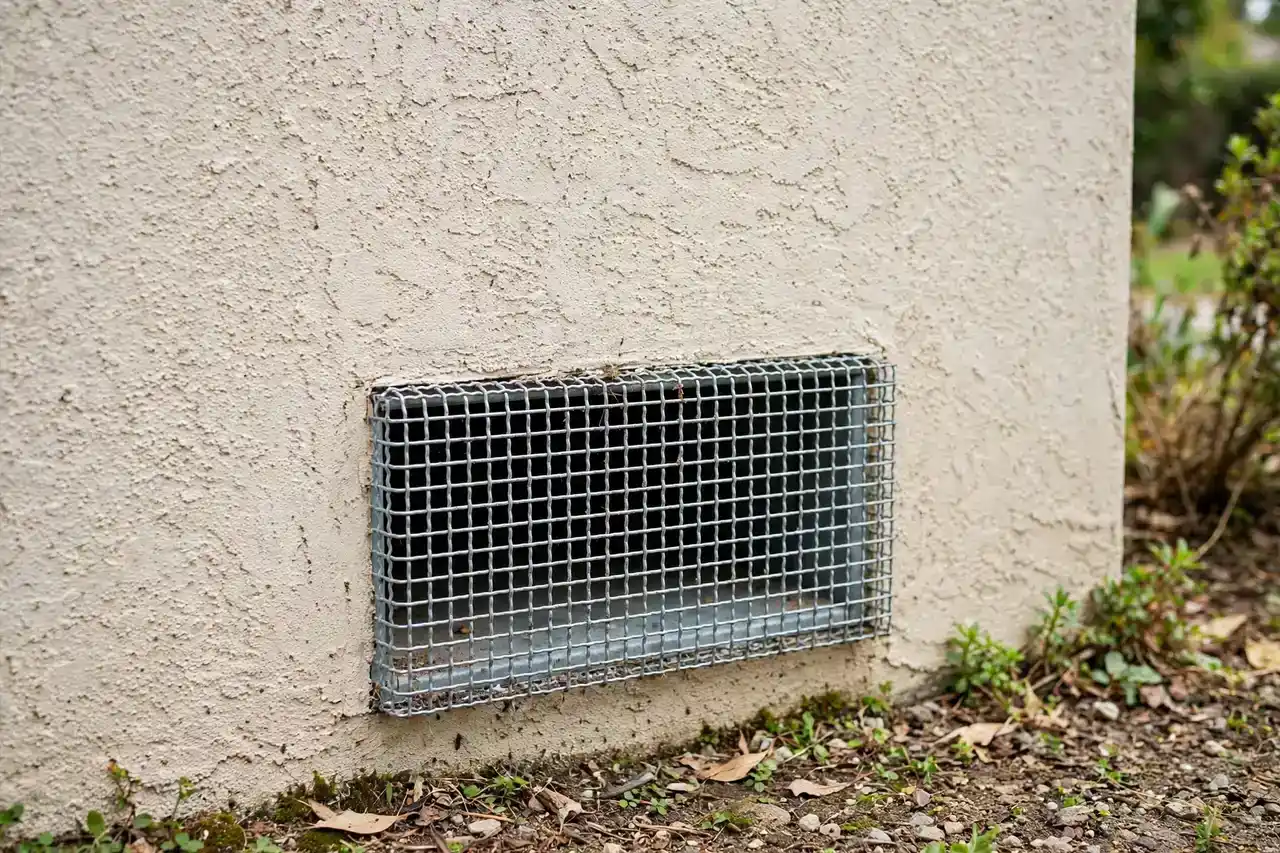
Damaged or missing vent screens are an open door into the crawl space. We fit proper hardware cloth screening that keeps airflow and stops rodents.
Screen the vents →Garage Door Seals
The garage is the number one rodent entry point in Utah County homes. We seal the corner gaps and worn bottom seals mice slip through nightly.
Seal the garage →Chimney Caps
An open chimney flue is a vertical front door. A properly fitted cap and screen keeps rodents and debris out while your fireplace works normally.
Cap the chimney →How Exclusion Works
Step 1 — The audit. We walk the entire exterior at rodent eye level: foundation line, garage corners, every pipe and line that pierces the walls, vents, soffits, and the roofline from a ladder where needed. Inside, we check the attic and crawl space for light leaks, droppings near entries, and rub marks that show which gaps are actually being used.
Step 2 — Removal first. If rodents are active inside, they're removed before sealing begins. Sealing a house with animals still in the voids trades a rodent problem for an odor problem.
Step 3 — Sealing, gap by gap. Each opening gets the material that fits it: copper mesh packed into penetrations, hardware cloth over vents, sheet metal flashing on chewed corners, proper seals on doors. We work through the audit list until every item is closed and checked off.
Step 4 — The re-check. After sealing, monitoring confirms activity has stopped and nothing is trying to chew its way back in at a missed spot. If something was missed, that's exactly when we want to know.
Materials That Work (and Foam, Which Doesn't)
Rodents' teeth grow their whole lives, and they test every seal by chewing it. That's why material choice is the whole ballgame in exclusion work:
What works: copper mesh (won't rust, too abrasive to chew), steel wool packed and backed with sealant, galvanized hardware cloth (the standard for vents and larger openings), and sheet metal flashing for corners and chewed wood. These are the materials that stay sealed year after year.
What doesn't: spray foam by itself. We pull chewed-through foam out of gaps on a regular basis — mice go through it in a night, and loose foam sometimes ends up lining their nests. Plain caulk, wood filler, and plastic vent covers fail the same way. Foam has one legitimate use: as a backer behind mesh or metal, never as the barrier itself. If a previous fix was foam-only, expect it to be on our replacement list.
Timing in Utah County. Exclusion work pays off most when it's finished before the fall push — the weeks when cooling nights along the Wasatch foothills send deer mice looking for winter quarters. A home sealed in September shrugs off pressure that overwhelms homes still relying on traps in November. That said, exclusion done in any season beats exclusion postponed: rodents don't wait for a convenient month, and neither do the litters born in wall voids while a decision gets delayed. If you're reading this with scratching already in the walls, the sequence still works — removal, then sealing, then a quiet house — it just starts with what's already inside.
Honest Advice Before You Book
Exclusion is skilled, ladder-and-flashlight work, and it's priced that way — but be wary of two extremes. A quote that covers "the whole house" after a five-minute look usually means the roofline and garage were never actually inspected. And the cheapest gap-by-gap quotes often skip the re-check, which is the step that proves the work held. Ask any company — including us — to walk you through their audit list and show you the gaps they found. A real exclusion job can always show you exactly what was open and exactly how it was closed. Also know that exclusion can't fix everything: if the neighborhood pressure is extreme or the home has structural rot creating new gaps, we'll tell you that plainly and talk about what proofing and maintenance look like instead.
Rodent Exclusion FAQs
What is rodent exclusion, exactly?
Exclusion is the physical work of finding every gap a rodent can use to enter your home and sealing it with materials they cannot chew through — copper mesh, hardware cloth, sheet metal, and sealed penetrations. Trapping removes the rodents inside; exclusion stops the next ones from getting in.
How small a gap can a mouse actually fit through?
About a quarter of an inch — roughly the width of a pencil. If a mouse's skull fits, its body follows. Rats need about half an inch. That is why a proper exclusion audit checks gaps most homeowners would never think twice about.
Should exclusion happen before or after trapping?
Removal comes first, then sealing. If you seal a home while rodents are still inside, you can trap them in wall voids and attic spaces, which creates odor and damage problems. We remove the active population, confirm activity has stopped, then seal.
Will spray foam keep rodents out?
No. Foam alone is one of the most common failed fixes we see — rodents chew straight through it, and some use it as nesting material. Foam can back a proper seal, but the barrier itself has to be chew-proof material like copper mesh or hardware cloth.
How long does exclusion work last?
Metal and mesh seals hold up for years when installed correctly. The main risks are new gaps from settling, home projects that cut new penetrations, and storm damage. A quick annual walk-around catches most new openings before rodents find them.
Do you seal the roofline too, or just the foundation?
Both, and everything between. Mice climb stucco, brick, vines, and downspouts easily, so a complete exclusion job covers the garage, foundation, utility penetrations, roofline, and chimney — not just the gaps at ground level.
Close the Gaps for Good
Provo Rodent Pros is open Mon–Sat, 7am–7pm. Call for a full entry-point audit and a sealing plan built around your home.
Call (385) 406-1774