 Provo
Provo Rats in Walls in Provo, UT
Scratching behind the drywall at midnight. Thumping in one corner of the bedroom. A rat living inside your wall is close, loud, and doing damage you cannot see — here is how it gets solved.
Call (385) 406-1774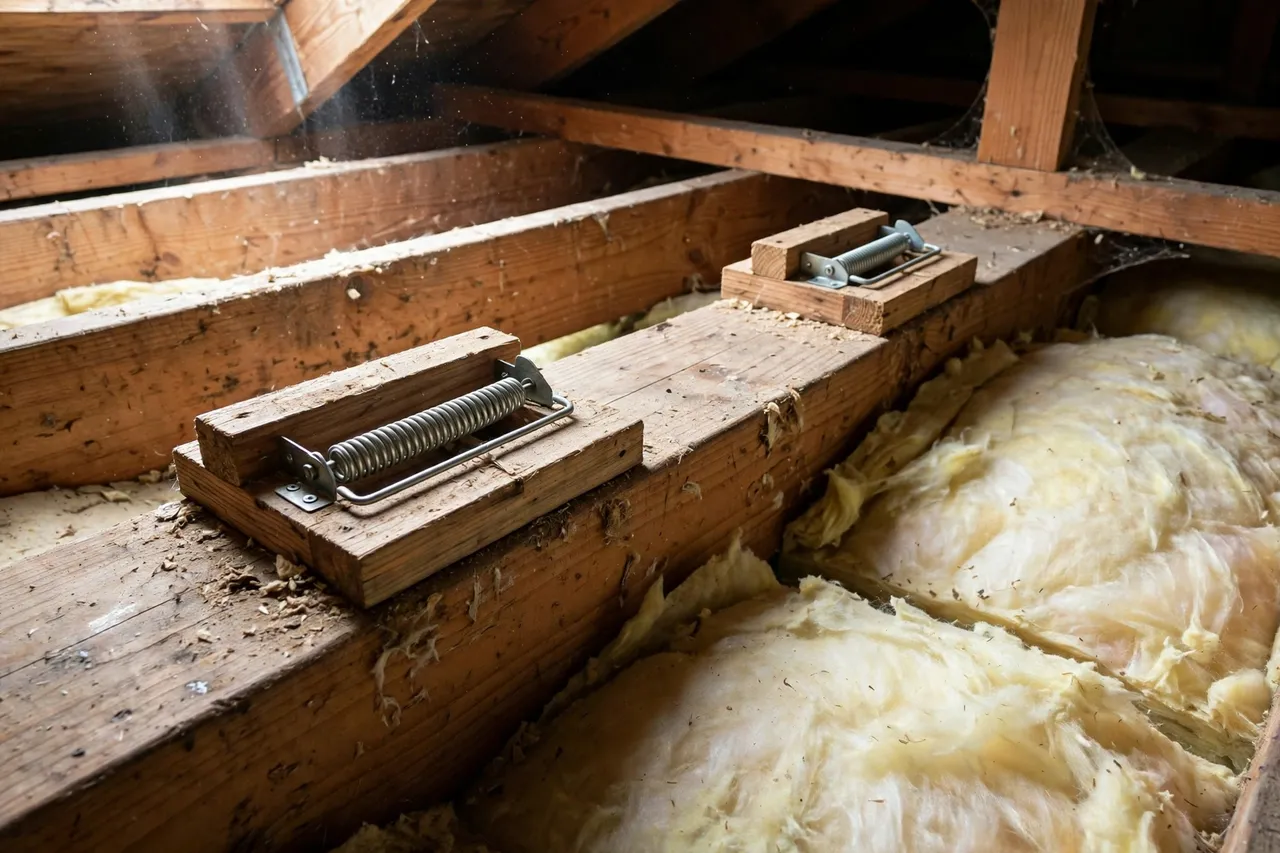
Rats in Walls, Done Right
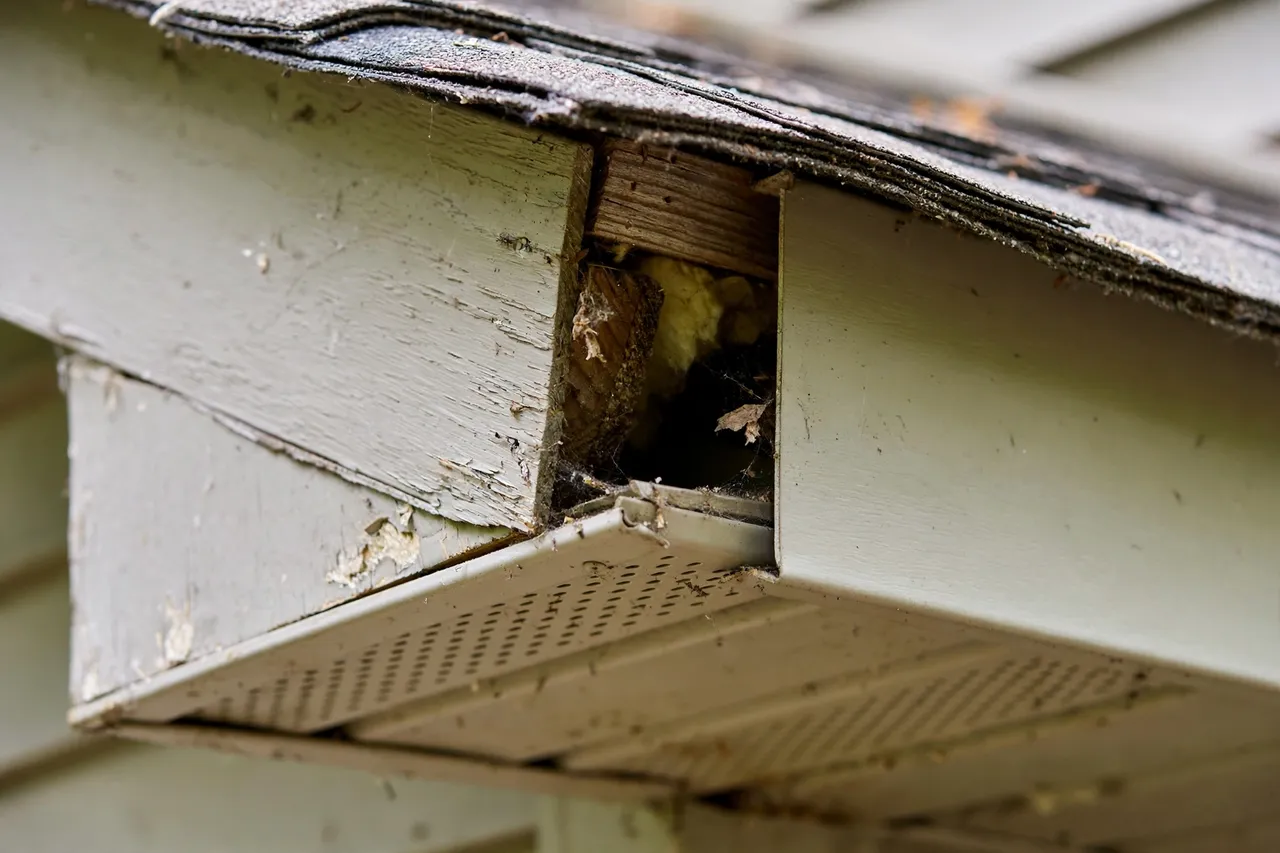
A wall void is a rat's hallway and bedroom in one: dark, warm, insulated, and connected vertically to the attic above and the crawl space or basement below. In Provo's homes, rats enter those voids from the bottom — through gaps around plumbing under the house — or drop in from the attic through the open tops of partition walls, which in many older homes near downtown and BYU were never capped. Once inside, they nest in the insulation at the base of the wall, gnaw on the studs and wiring running beside them, and commute up and down the void at night.
The sound gives them away before anything else does. A rat in a wall is heavy — you hear deliberate scratching, scrabbling when it climbs, and soft thumps when it lands. Compare that to deer mice, Provo's most common wall guests, which sound like light, quick pattering. Both are worth removing, but a rat's size means faster damage to wiring and a far worse outcome if it dies in there. That risk — a carcass sealed in a void — shapes everything about how wall rats should be handled.
How We Get It Done
Pinpoint the void. We log where and when you hear activity, then inspect the attic above and crawl space below. Rats use vertical runs along pipes and wiring; finding those runs tells us which wall sections are actually in play.
Confirm the animal. Droppings and gnaw marks at the access points confirm rat versus mouse, because the plan — and the trap size — differs.
Trap at the doors, not the room. Wall rats leave the void to feed, exiting through the attic or crawl space. Traps set at those exits catch them on their rounds without opening a single wall.
Seal the entries. Once captures confirm the void is empty, the gaps at the base of the wall, the plumbing penetrations, and the attic-side openings are sealed with gnaw-proof materials.
Handle odor honestly. If a rat has already died in a wall before we arrive, we will tell you plainly what that means: where the odor will peak, how long it typically lasts, and when a small, targeted opening is worth making to remove the carcass versus when it is not.
Signs You Need Wall Rat Removal
- Scratching, scrabbling, or thumping inside one specific wall, mostly at night
- Sounds that move vertically — up toward the ceiling or down toward the floor
- A pet that fixates on one baseboard or wall corner
- Gnaw sounds: slow, deliberate chewing on wood inside the wall
- Faint musky odor near an interior wall with no visible source
- Flickering lights or a dead outlet on the affected wall — a sign wiring is being chewed
Honest Advice Before You Book
The worst response to a wall rat is poison. It is also the most commonly sold one. A poisoned rat retreats into the void to die, and in a Utah winter that carcass can smell for weeks, with no way to reach it short of cutting drywall blind. Anyone proposing poison for a rat you can hear in a wall should be asked one question: where exactly will it die? If they cannot answer, do not hire them. Also skip the ultrasonic plug-ins — rats habituate to them quickly, and the scratching returns. Trapping at the exits takes a few more days of patience, and it ends with proof.
Wall Rat FAQs
How do you find exactly where a rat is in the wall?
We start with sound patterns — when and where the noise peaks — then check the entry routes: plumbing penetrations, the attic above, the crawl space below. Rats travel predictable vertical paths, usually along pipes and wiring, so the void can be narrowed down without cutting exploratory holes.
Can you get a rat out of a wall without cutting drywall?
Often, yes. Rats in walls almost always entered from the attic or crawl space and return there to feed, so trapping at those access points pulls them out of the void. Cutting into a wall is a last resort, and we will explain if your case truly needs it.
What happens if a rat dies inside my wall?
A dead rat in a wall void produces a strong odor that typically builds over several days and can linger for weeks, and it draws flies. This is exactly why we trap instead of leading with poison — removal you can verify beats a carcass you cannot reach.
Why do I only hear the rats at night?
Rats are nocturnal. They rest in the wall void during the day and move at night to feed, which is why the scratching and thumping usually starts after the house goes quiet and stops before dawn.
Related Rat Control Services
Rat Control in Provo
The complete service: inspection, removal, exclusion, and cleanup for rats anywhere in the home.
All rat control services →Rats in the Attic
Wall voids open into the attic — if the noise travels up, the attic is part of the job.
Rats in the attic →Rat Trapping
The trapping-first method that keeps rats from dying in places nobody can reach.
Rat trapping →If a smell has already started, our dead rodent removal page explains what can and cannot be done about it.
Hearing Something in the Wall Tonight?
Call Provo Rodent Pros before it becomes a dead-rat problem. We trap at the exits and seal the void behind them.
Call (385) 406-1774