 Provo
Provo Rodent Signs Found Before You Sell
You are packing the attic or reading a buyer's inspection report, and there it is: droppings, nesting, rodent activity. It feels like a torpedo aimed at your closing date. In Provo it is usually a fixable, documentable problem — we clear the activity, seal the house, and put it in writing for the other side.
Call (385) 406-1774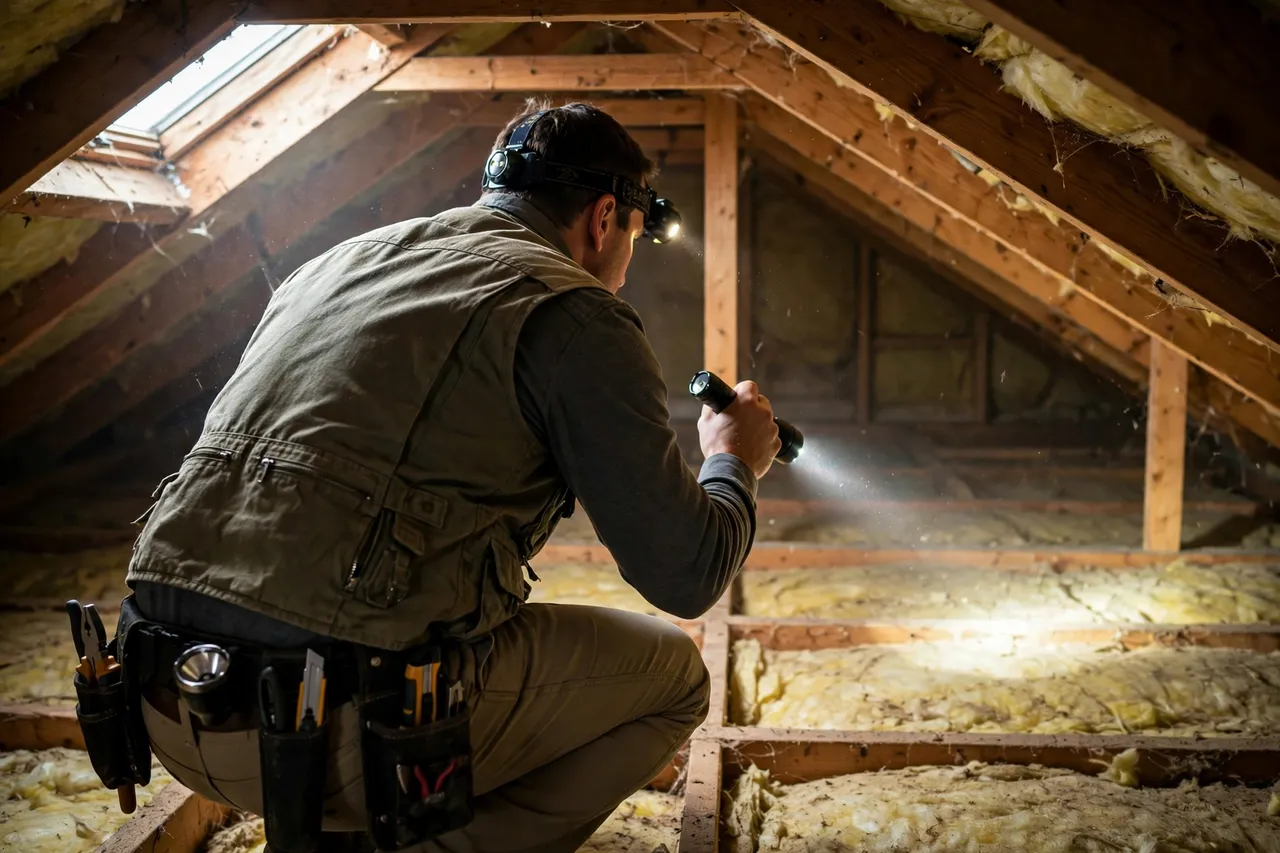
Two Ways This Surfaces
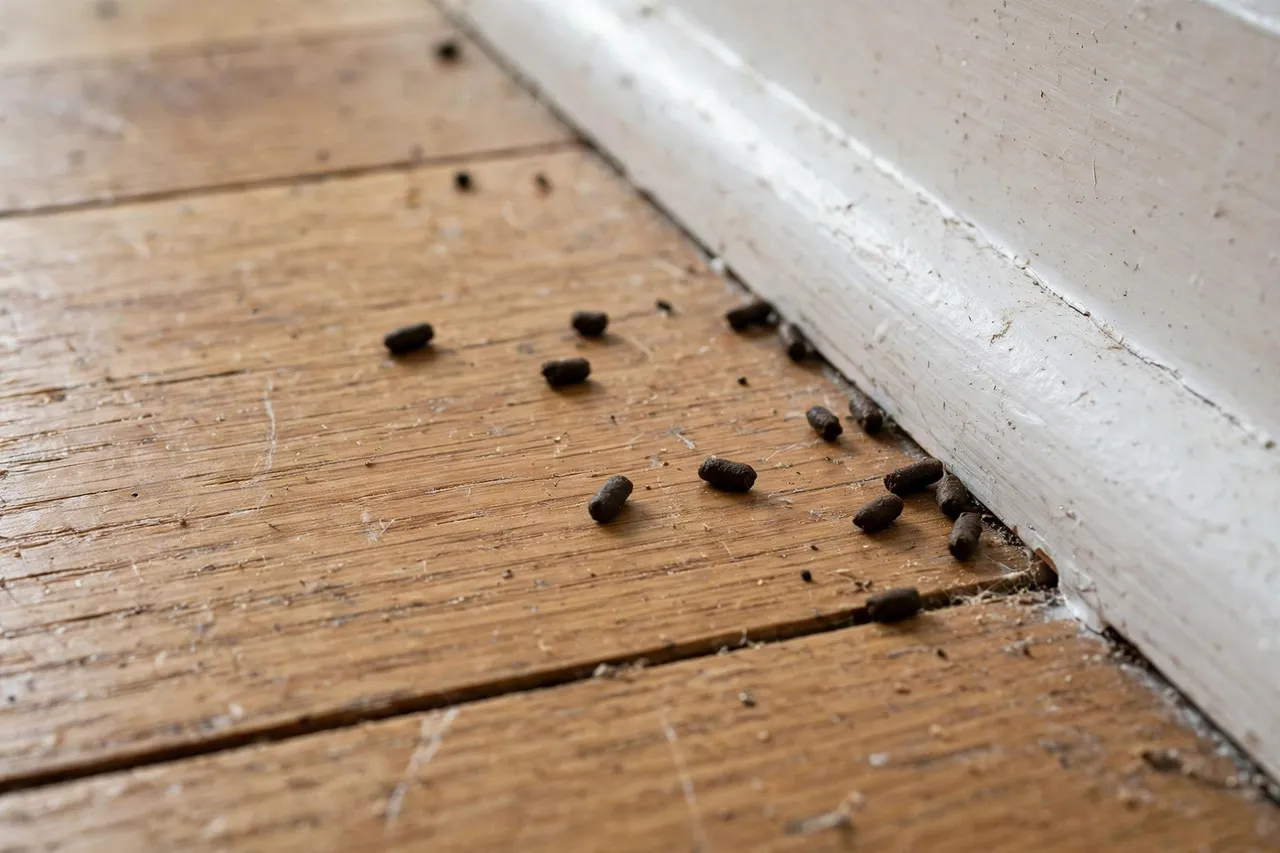
The first is yours. You are prepping the house — clearing the attic, emptying the garage, pulling boxes down for the first time in years — and you find the record: droppings along the wall plates, a nest built into a forgotten blanket, gnawed corners on stored boxes. The house has been keeping a secret, possibly for years, and it chose listing week to tell you.
The second is the buyer's inspector's. The report comes back with a line about rodent activity in the attic, and now your private discovery is a negotiating item with a deadline. Both versions feel worse than they usually are. Whether this becomes a footnote or a fiasco depends on the response: a professional fix with documentation, or an argument that the droppings do not matter. Buyers forgive mice. They do not forgive being managed.
Old Signs Are Not the Same as an Active Problem
Provo's older neighborhoods carry long attic histories. Homes in Maeser, Franklin, Joaquin, and Downtown have had a century of winters — generations of mice have tested every one of them. Droppings in a long-undisturbed corner may be decades old: residue of a problem a previous owner solved, or never knew about. An inspector's note saying rodent activity often cannot say which kind.
That distinction is the whole ballgame, and it is readable. Fresh droppings are dark and soft; historic ones are grey, dry, and crumble to dust. Active nesting is freshly shredded; old nesting is collapsed and dusty. Grease and rub marks along a beam show whether a route is in current use, and entry points show whether anything can still get in at all. Our inspection separates active from historic and reports which one your house has — in writing, because that written distinction is often what settles the buyer's concern. If you are on the buying side of the same question, our pre-purchase rodent inspection was built for it.
Fix It and Paper It
When activity is active — or when the sale simply needs the issue closed — the sequence is removal, sealing, cleanup, documentation. Removal clears whatever is currently inside. Entry-point sealing closes the foundation gaps, vent openings, and roofline routes the inspection identified, so the fix outlasts the closing. Then attic cleanup and damage cleanup remove the droppings and nesting that started the conversation, because leaving the evidence in place while claiming the problem is solved convinces no inspector.
A word on disclosure, because sellers ask: known problems belong on the table, fixed — not hidden. We are not attorneys and your agent handles the paperwork, but the rodent side is simple: a disclosed, remediated, documented issue is a stronger position than an undisclosed one a buyer's inspector finds anyway. Our report — dated, specific, by location — is designed to be handed across the table.
Timing Around Your Listing
Sequence matters. Ideally the attic work happens before photos and showings, so buyers never meet the story at all, and your agent can answer the rodent question with the report in hand. Fall sellers should call earliest: Provo's listing season overlaps the first-freeze ingress, when new activity is likeliest to appear mid-sale — and when our calendar is fullest. Sealing before the cold snap protects the showing season.
If the discovery came mid-sale, the same work runs on the closing clock: inspection first, then the tightest honest sequence we can schedule, documentation issued as each stage completes. And if the signs prove purely historic, the episode may end with one inspection and one report — the outcome more sellers get than the panic suggests. Buyers end up on the mirror side of this page: our move-in scenario is written for the week after closing.
Seller Rodent FAQs
The inspector found droppings in our attic. Will this kill the sale?
Usually not. Attic rodent findings are common in Provo's older neighborhoods, and what buyers actually want is not a house that never had a mouse — it is a problem that has been fixed and documented. A dated report showing inspection, removal, sealing, and cleanup answers the finding professionally. The sales that suffer are the ones where the finding is argued with instead of addressed.
Can you tell old rodent signs from an active infestation?
Yes — that distinction is most of the job. Fresh droppings are soft and dark; old ones are dry, grey, and crumble. Active nesting is shredded and current; old nesting is dusty and collapsed. Grease marks along a run, the state of entry points, and where signs concentrate all say whether rodents are present now or were present years ago. We report in writing which one your house has.
How fast can the attic be cleaned and sealed before we list?
It depends on the attic's condition, which is why the inspection comes first. A home with old, inactive signs may need only documentation and targeted sealing; an active problem needs removal, then sealing, then cleanup, sequenced over days rather than weeks. Call as early in your listing prep as you can — fall is our busiest season in Provo, and sellers who call before photos are scheduled keep their dates.
What documentation do we get for the buyer?
A dated written report covering what was inspected, what was found (including whether activity was active or historic), what removal and cleanup were performed, and which entry points were sealed and where. Sellers hand it to their agent for the buyer's side; buyers' inspectors read it as evidence the finding was handled by a rodent specialist rather than swept under the rug.
We are the buyers. Can you inspect before we close?
Yes — our pre-purchase rodent inspection is built for exactly that window. General home inspectors note rodent signs; we go further: species, whether activity is active, where they are getting in, and what sealing and cleanup would involve, in a written report you can use in negotiation or simply for peace of mind before the house becomes yours.
Related Scenarios & Services
Moved In and Found Mice
The buyer's side of this story — what your buyers will deal with if the problem is left for them, and why handling it now is stronger.
Move-in discoveries →Pre-Purchase Inspection
A rodent-specific inspection for buyers under contract — and the report sellers wish the other side had ordered from them.
Pre-purchase inspection →The House Sat Empty
Listed homes sit vacant, and vacant homes collect rodents. How to protect a house between owners.
Vacant home rodents →Keep Rodents a Footnote, Not the Headline
Call early in your listing prep and we will inspect, fix, and document on your schedule — fall dates fill first. Mon–Sat, 7am–7pm.
Call (385) 406-1774