 Provo
Provo How to Get Rid of Mice in Walls
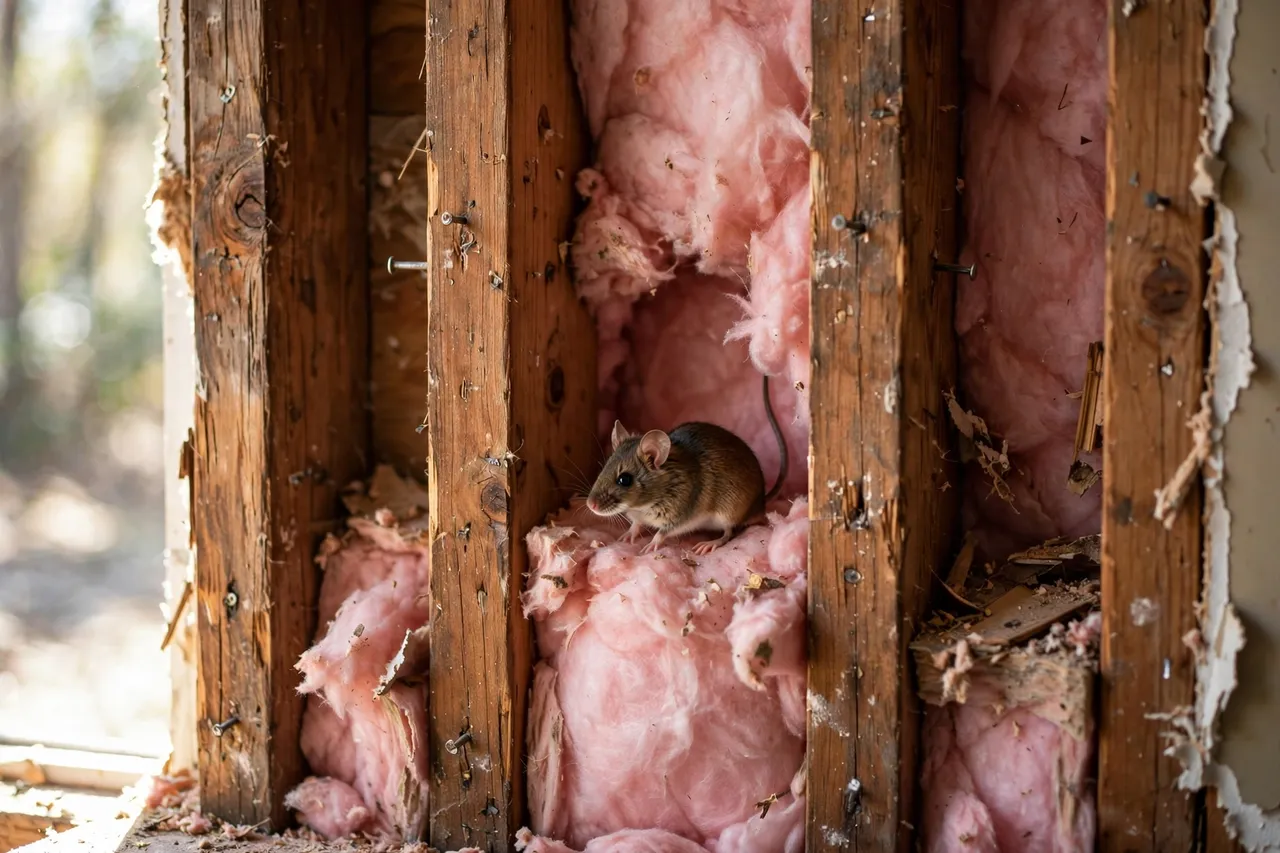
It starts at night: a soft scratching behind the bedroom wall, a scurry overhead, then silence. Mice in walls are one of the most frustrating rodent problems in Provo homes because you can hear them clearly and reach them almost never. The good news is that wall mice still have to eat and drink — which means they travel out of the walls on predictable routes, and that's where you beat them.
Why Walls Are Perfect Mouse Habitat
A wall void is warm, dark, vertical, and almost never disturbed. The framing gives mice a ladder system: they climb studs and pipes, travel along the top and bottom plates, and drop into the kitchen void or rise into the attic at will. In Utah County homes, deer mice and house mice both use walls this way — and the voids around plumbing and vent stacks are the highways, because pipes pass through oversized holes at every floor. Once a mouse learns the wall system of your house, it can reach food in the pantry, water at a slow leak, and nesting insulation without ever crossing an open floor.
Identifying Wall Activity by Sound
Mouse sounds are light: scratching, pattering scurries, and faint gnawing, concentrated in the evening and pre-dawn hours when the house is quiet. Note where and when you hear it — the same wall, the same hours, night after night is a travel route, and it tells you which rooms and utility runs the mice are using. Consistent noise low in a kitchen wall plus droppings in the cabinet below, for example, usually means the void behind the cabinets is the hub. If you're still sorting out what's in there, our guide to the signs of mice in your home helps separate mice from other possibilities before you start.
The Trapping Strategy That Works
You rarely trap in the wall — you trap the mice as they commute. Place snap traps where wall travel meets the living space: in the attic along the top plates above noisy walls, in the basement or crawl space below them, behind appliances, and inside the sink cabinet where pipes enter the wall. Traps should sit perpendicular to walls and runways, baited sparingly, and checked daily. Attics matter most: a mouse population in the walls almost always feeds and nests partly in the attic, and our attic rodent control approach treats the attic and walls as one connected system rather than separate problems.
Patience is part of the strategy. Wall mice are wary and may avoid new traps for days. Leave traps set, refresh bait, and don't move them around daily — consistency on a known route outperforms constant rearranging.
Why Poison in Walls Backfires
Poison feels like the obvious answer to an unreachable animal, and it is the most common mistake we see. A poisoned mouse does not politely leave — it typically dies where it sleeps, deep in the wall void. One dead mouse produces a powerful odor for days; several, over a couple of weeks, in a wall you cannot open without demolition. The smell draws flies, and the problem that was annoying becomes a crisis that sometimes ends with cutting drywall anyway. Beyond that, poison in walls puts the active ingredient where pets and wildlife can be secondarily exposed if a mouse dies somewhere accessible. Trapping is slower to start and far cleaner to finish.
Exclusion: The Step That Makes It Permanent
Trapping an open house is a subscription, not a solution. Once activity drops, find how mice are reaching the walls: the exterior penetrations, garage gaps, and roofline openings covered in our entry point sealing guide. Pay special attention to utility entries on the same side of the house as the noisy walls, and to the attic — mice often enter at the roofline, drop into wall voids from the top plate, and never touch the ground floor at all. Sealing after trapping, in that order, is what ends wall problems for good.
When Walls Need Professional Access
Call a professional when the sounds persist after two weeks of well-placed trapping, when activity is in a wall with no attic or basement access to intercept it, when you suspect nesting inside insulation over a wide area, or when odor suggests an animal has already died in the void. Professionals can use inspection cameras through small openings, place stations in voids, and — when it's truly needed — open a small, planned section of wall rather than a panicked one. If your sounds are heavy thumps rather than light scratches, mention that when you call: it changes what we're looking for, and it's better sorted out on the first visit.
Frequently Asked Questions
Why shouldn't I use poison for mice in my walls?
Poisoned mice usually die inside the wall void, where you cannot reach them. The result is a strong decay odor that can last for weeks, plus flies. Trapping near the voids removes mice where you can actually retrieve them.
How do I know the scratching in my wall is mice?
Mouse activity in walls sounds like light scratching, scurrying, and occasional soft gnawing, most often at night. It tends to repeat in the same areas — near kitchens, bathrooms, and utility runs. Heavier thumping or daytime noise suggests something larger or a different cause.
Can mice in walls damage my Provo home?
Yes. Mice in wall voids shred insulation for nesting, soil it with urine and droppings, and gnaw on materials including wiring insulation. The longer a wall population stays, the more contamination builds up in places that are hard to clean.
Keep Reading
How to Seal Entry Points and Keep Rodents Out
The sealing work that makes wall trapping results permanent.
Read →Still Hearing Scratching in the Walls?
We'll trace the routes, trap the mice where they travel, and seal the entries they used to get in.
Call (385) 406-1774