 Provo
Provo Signs of Mice in Your Provo Home
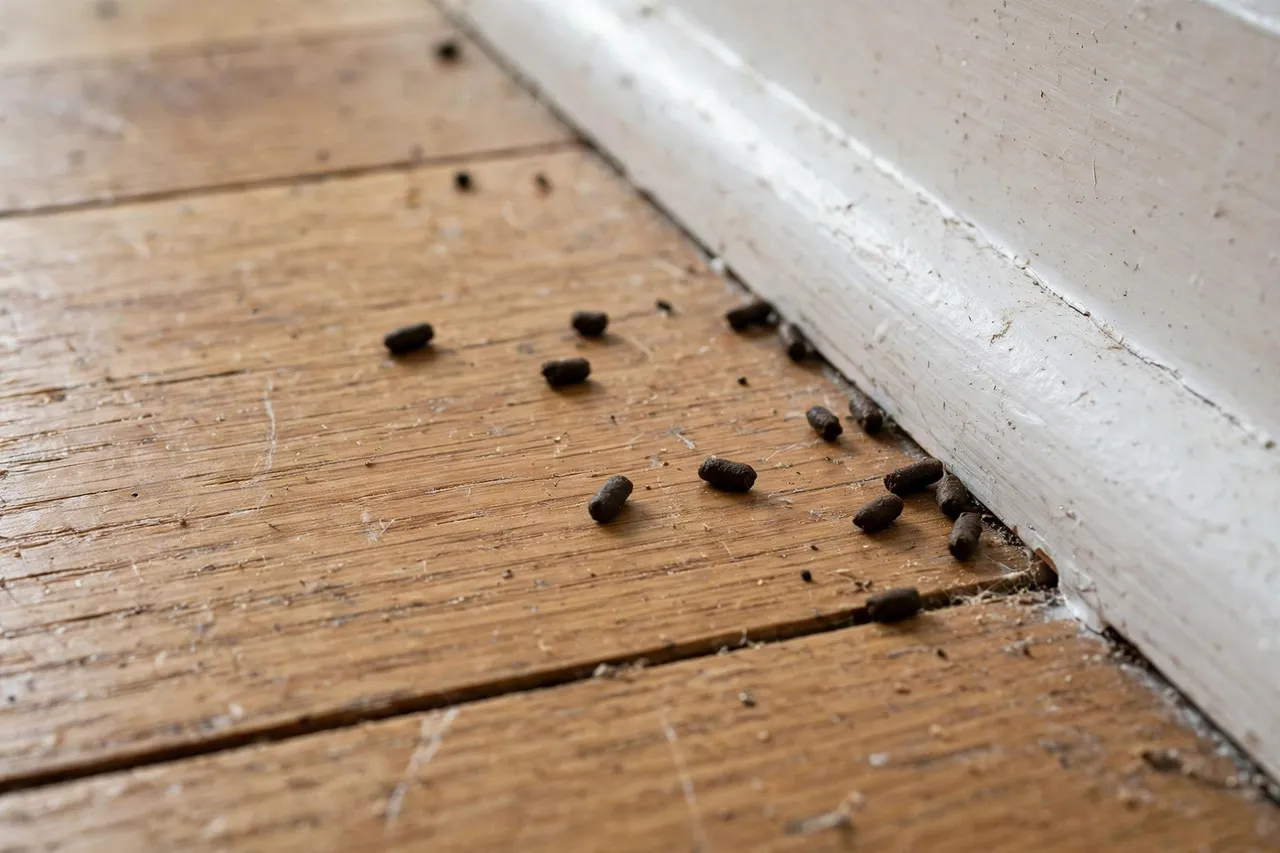
Almost nobody in Provo calls us because they saw a mouse. They call because of what the mouse left behind — a scatter of droppings behind the stove, a scratching sound that starts up at 2 a.m., a gnawed corner on a bag of rice. Mice are quiet, nocturnal, and built to avoid you. Their evidence, though, is easy to read once you know what you are looking at. Here is the checklist we work through on inspections across Utah County.
Droppings: The Sign That Settles It
Droppings are the most reliable evidence of mice in a home. Mouse droppings are small — roughly the size of a grain of rice, dark, and pointed at the ends. You will find them where mice feed and where they travel: along the backs of kitchen drawers, in the corners of the pantry, under the sink, behind appliances, and along wall edges in the garage and attic. A single mouse produces dozens of droppings a night, so even a modest scatter means regular traffic, not a one-time visitor.
Pay attention to freshness. New droppings are dark and slightly soft; old ones fade grey and crumble when touched (use a disposable tool, never bare hands — and see our hantavirus post before cleaning anything up). If you clean an area and fresh droppings reappear within a few nights, the route is active now, whatever happened last winter.
Sounds: The 2 A.M. Telltale
Mice are most active in the first hours after dark and again before dawn. The sounds homeowners describe to us are consistent: light scratching inside a wall, soft scurrying across the attic floor above a bedroom, occasional faint gnawing. Because the house is quiet at night, attic activity often sounds like it is inside the ceiling or wall right beside the bed. If the noise starts within an hour or two of the house settling down and stops toward morning, mice are a far more likely explanation than anything supernatural. Heavier thumping or daytime noise suggests a bigger animal — squirrels or rats — and is worth mentioning when you call.
Grease Marks and Runways
Mice are creatures of habit. They run the same routes nightly, hugging walls and edges, and the oil and dirt in their fur gradually darkens those paths. Look for faint grey smudge marks along baseboards, around holes where pipes pass through walls, and at the corners of door frames. In garages and basements you may also spot the runway itself — a cleared path through dust or stored clutter. Fresh grease marks are soft and smear; old ones are dry and flaky. A well-worn runway means the route has been in use a long time.
Nesting and Gnawing
A mouse preparing to raise a litter builds a nest from whatever soft material it can shred: insulation, paper, fabric, dryer lint. Nests turn up in the backs of rarely opened drawers, inside stored boxes in the attic, behind appliances, and in the insulation itself. Shredded material in a neat little pile is a strong sign of an established presence, not a passerby.
Gnawing is the other half of the story. Mice must chew constantly to wear down their teeth, and they leave paired grooves on food packaging, wooden edges, plastic bins, and — the one that matters most — wiring in attics and wall voids. Gnawed packaging in the pantry means mice are feeding in your kitchen nightly. Gnawed wiring is a genuine fire concern and one reason attic infestations should never be ignored until spring.
The Utah Wrinkle: Deer Mice
In Provo, especially near the bench, foothills, and open ground, many indoor mice are not house mice at all — they are deer mice, the valley's most common wild mouse. Deer mice look similar enough that most people cannot tell them apart by droppings, but they matter for one important reason: deer mice are the species associated with hantavirus in Utah. That does not mean panic; it means cleanup method matters. Never dry-sweep or vacuum droppings in a closed attic or garage. Ventilate first, wet everything down, and use gloves and a mask — or let a professional handle it. Our hantavirus safety guide walks through the method in detail.
What To Do Next
If you are seeing one sign, you likely have more — check the pantry, the attic hatch corners, and the garage wall edges with a flashlight tonight. If the evidence is fresh, the mice are active now, and the right next step is an inspection that finds every entry point, because catching mice without sealing the house is a temporary answer. Our mice control service pairs removal with exclusion for exactly that reason.
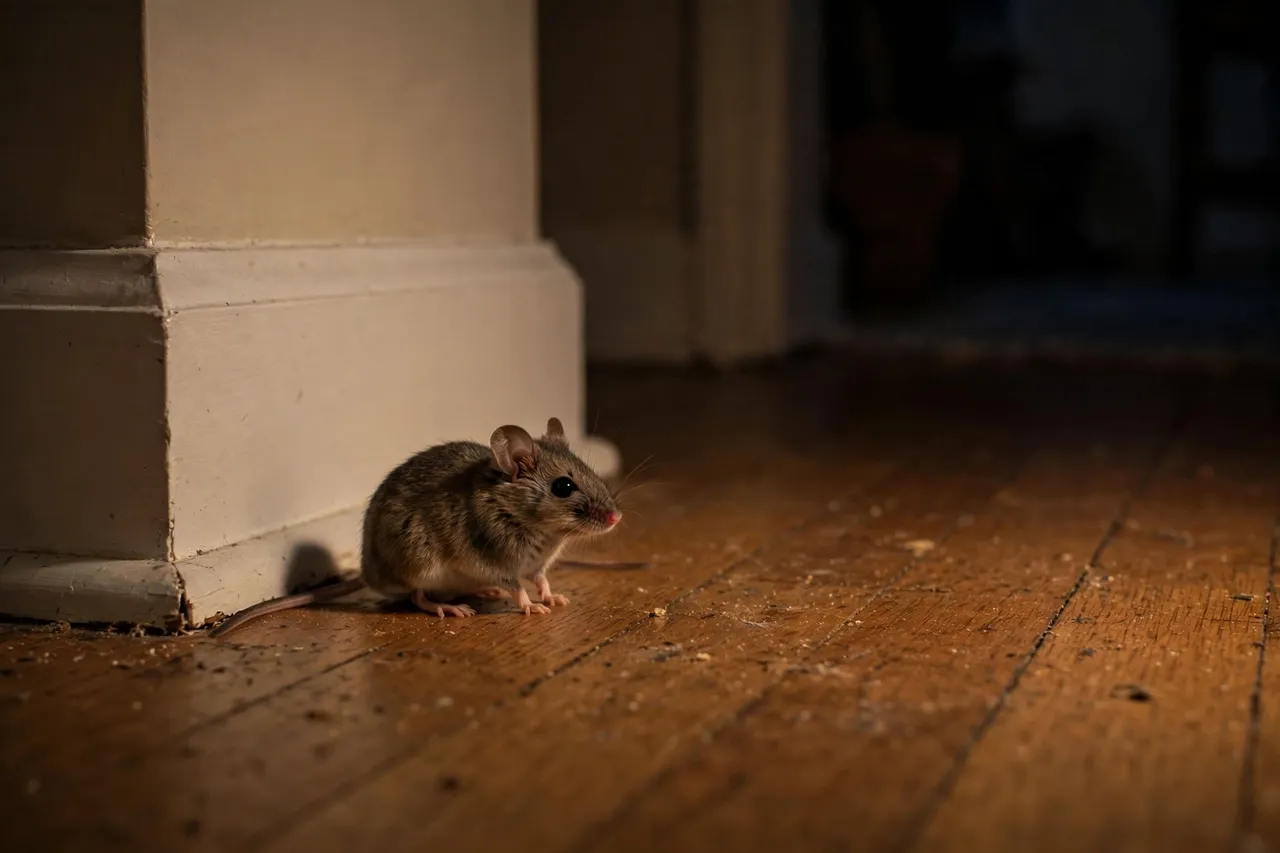
Quick Questions
I found droppings but have never seen a mouse. Is that normal?
Completely normal. Mice are nocturnal and avoid people; most Provo homeowners find droppings weeks before any sighting. Droppings alone are enough reason to act — where there are droppings, there is an established route the mice are using nightly.
How can I tell fresh activity from an old problem?
Fresh droppings are dark and soft; old ones are grey, dry, and crumble. Clean an area thoroughly, then check it over the next few nights — new droppings in a cleaned spot mean the route is active right now.
What if the scratching is only in one wall?
A single active wall usually means mice are using that wall void as a travel route between the attic or crawl space and a food source. It does not mean the problem is small — it means you know one of their roads. An inspection finds the others.
Keep Reading
Rat vs. Mouse: How to Tell What You Have
Size up the droppings and damage to figure out which animal you are actually dealing with.
Read the post →Deer Mice, Hantavirus, and Safe Cleanup in Utah
Why cleanup method matters with deer mice — and the safe way to handle droppings.
Read the post →Are Mouse Droppings Dangerous?
An honest look at health risks in Utah homes and the habits that keep them small.
Read the post →Found the Signs? Get a Straight Answer.
An inspection tells you what you have, where it is getting in, and what it takes to end it. Call Provo Rodent Pros, Mon–Sat, 7am–7pm.
Call (385) 406-1774