 Provo
Provo Deer Mice, Hantavirus, and Safe Cleanup in Utah
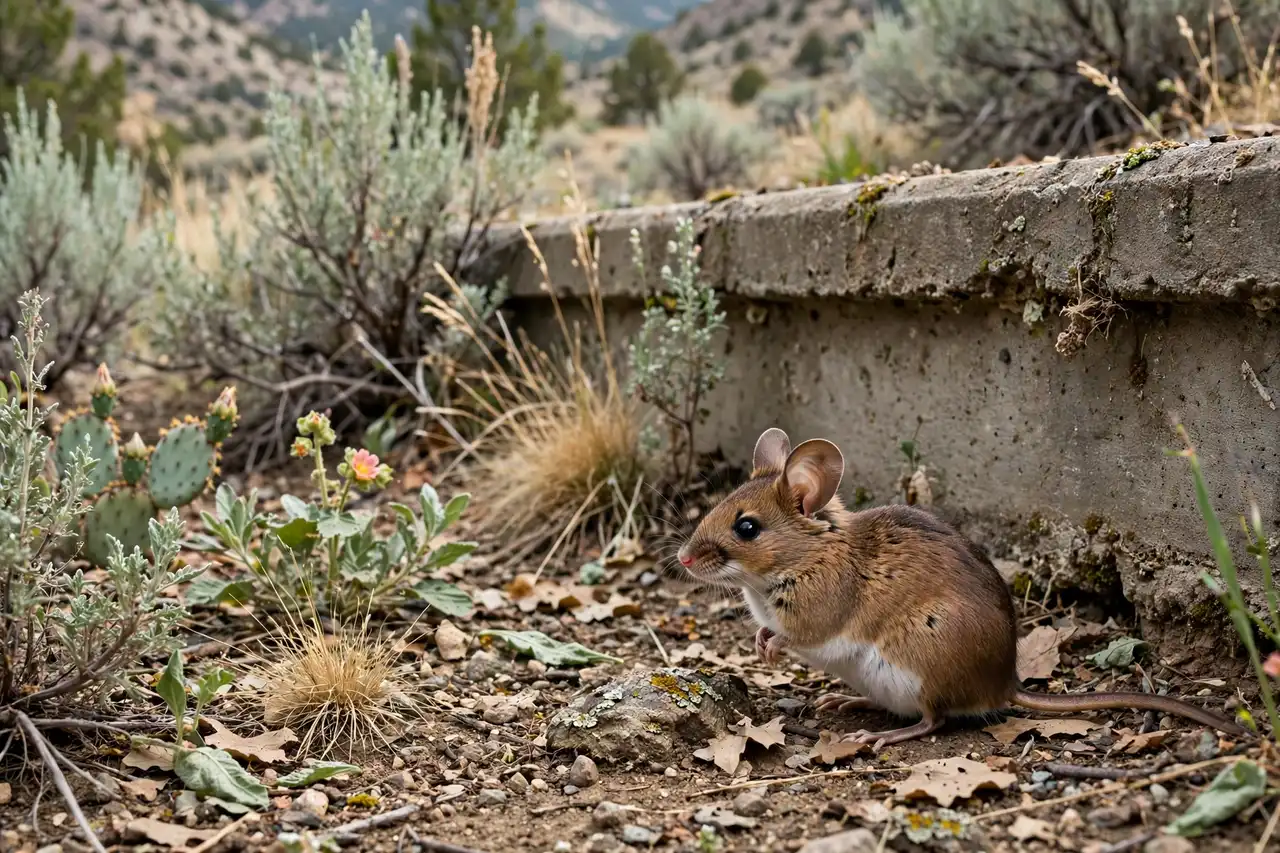
If you live in Utah County, the mouse most likely to get into your home is the deer mouse. It is also the species that carries hantavirus — a word that understandably makes people nervous. This post covers what hantavirus actually is, what the risk really looks like, and the cleanup principles health authorities recommend. The goal is neither alarm nor dismissal: it is a calm, correct method you can use with confidence.
What Hantavirus Is
Hantaviruses are a family of viruses carried by certain rodents. In North America, the one that matters is associated with the deer mouse, and it can cause hantavirus pulmonary syndrome — a serious respiratory illness that begins with flu-like symptoms such as fever, fatigue, and muscle aches, and can progress to severe breathing difficulty. It is rare. It is also serious enough that health authorities take it seriously, and so do we.
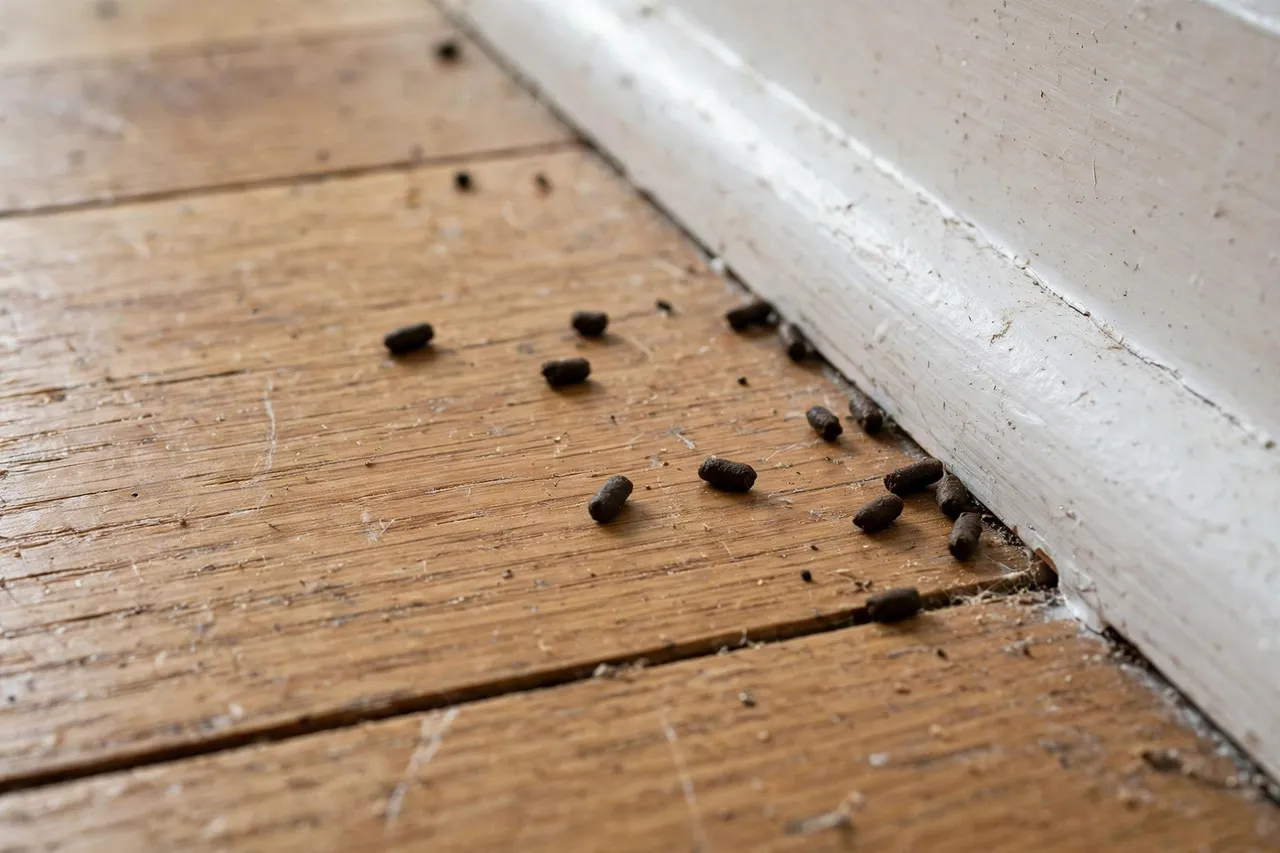
People are exposed when they breathe in tiny particles from the dried urine, droppings, or nesting material of an infected rodent — most often when that material is disturbed in an enclosed, poorly ventilated space. A cabin opened after a closed-up season, a shed full of old droppings, an attic where mice have lived for months: those are the settings that matter. A single dropping on a garage floor is a very different level of concern, and it helps to keep that scale in mind.
Why Deer Mice Are a Utah Story
Deer mice are native across Utah and thrive in exactly the landscapes that surround our neighborhoods — foothills brush, fields, orchards, ditch banks, and open ground. They are excellent climbers and opportunists, and when fall temperatures drop off the Wasatch bench, homes are warm, dry, and full of food. Bench neighborhoods, semi-rural properties, and any home backing onto open ground see deer mice first and most. You can recognize them by their two-toned coat — brown or grey on top, clean white underneath, with white feet, large eyes, and large ears. House mice, by contrast, are a more uniform grey-brown.
The important practical point: you often cannot be sure which species left the droppings you found. So the wise habit in Utah is simply to treat all rodent droppings with the same careful cleanup method, every time.
The CDC Cleanup Principles
Public health guidance for rodent cleanup is consistent, and it comes down to one idea: do not put dried rodent waste into the air. Everything else follows from that.
- Ventilate first. Before cleaning an enclosed space like an attic, garage, shed, or cabin, open doors and windows and let it air out for at least 30 minutes. Leave while it airs.
- Never dry-sweep or vacuum droppings. Dry sweeping and standard vacuuming are exactly how dried material becomes airborne dust. This is the single most important rule.
- Wet everything down. Soak droppings, nesting material, and contaminated surfaces with a disinfectant or a bleach-and-water solution and let it sit for several minutes before wiping anything up. Wet material does not become dust.
- Wear protection. Rubber or disposable gloves, and a well-fitting mask or respirator — especially in enclosed or heavily contaminated spaces. Avoid touching your face while you work.
- Bag and remove. Wipe up the soaked material with paper towels, seal it in a bag, and put it in an outside trash bin. Wash your hands and any tools thoroughly afterward.
- Dead rodents and traps get the same treatment: disinfect, gloves on, double-bag, dispose outside — never bare hands.
When To Call Professionals Instead
A few droppings in an open garage are a manageable DIY cleanup using the method above. Call us instead when: the contamination is attic-wide or in a crawl space; mice are still active in the home (cleanup before removal just gets re-contaminated); there is a dead animal in a wall or inaccessible space; or anyone in the home is pregnant, elderly, or has a weakened immune system. Professional cleanup also handles the step most DIY efforts skip — figuring out how the mice got in and sealing it, so you are not repeating the cleanup next season. Our droppings cleanup service and deer mouse control page explain how we approach both halves of the job.
The Calm Bottom Line
Hantavirus is rare, and the everyday risk in a typical Utah home is low — but it is not zero, and the safe cleanup method costs nothing but a little patience. Ventilate, wet, mask, gloves, never dry-sweep. Follow that, keep mice out with proper exclusion, and deer mice go back to being what they should be: wildlife that lives outside.
Quick Questions
Can I get hantavirus from one mouse in my house?
The risk from a single mouse passing through is very low. Risk rises with enclosed, heavily contaminated spaces — an attic, cabin, or shed full of droppings that gets disturbed and breathed in. That is why cleanup method matters far more than alarm: ventilate, wet, mask, and gloves reduce an already uncommon risk to a very small one.
Is it safe to clean up droppings myself?
Small, open-area amounts can be handled safely with the CDC method described above — ventilation, disinfectant soak, gloves, mask, no dry sweeping or vacuuming. Large infestations, attic-wide contamination, and dead-animal situations are where professional cleanup earns its keep, both for safety and because the animals need to be gone first.
How do I know if my mice are deer mice?
Deer mice have a distinctly two-toned coat — brown or grey above, white belly and feet — and large eyes and ears. In Utah County, any mouse coming in from fields, foothills, or open ground is likely a deer mouse, while house mice dominate long-established urban blocks. An inspection confirms which species you have.
Keep Reading
Signs of Mice in Your Provo Home
Learn to read droppings, sounds, and grease marks before a small problem grows.
Read the post →Are Mouse Droppings Dangerous?
A clear-eyed look at health risks from rodent contamination in Utah homes.
Read the post →Keep Mice Out of Your Attic Before Winter
The fall sealing checklist that prevents the problem this post is about.
Read the post →Deer Mice Indoors? Handle It the Safe Way.
We remove the mice, clean up with proper precautions, and seal the way in. Call Provo Rodent Pros, Mon–Sat, 7am–7pm.
Call (385) 406-1774