 Provo
Provo Rodent-Proofing a Student Rental in Provo

Student housing near BYU has a perfect storm of rodent risk factors: older buildings in the Joaquin and surrounding neighborhoods, high tenant turnover every semester, shared kitchens, and food stored in six different cupboards by six different people. If you've found droppings in your rental, you're not powerless — but the fix splits into two sides. Some of it is genuinely yours to do. Some of it is your landlord's responsibility. This guide sorts out which is which.
What Tenants Can Do Themselves (Cheap and Effective)
Food storage is the big one. Mice in student rentals live on open cereal boxes, chip bags clipped shut, rice and pasta in thin packaging, and snack stashes in bedrooms. Move everything edible into hard plastic or glass containers with real lids. This single change, done by the whole apartment, cuts a mouse population's food supply dramatically.
Cleanliness basics. Crumbs under the toaster, a stove that never gets wiped, trash that sits for days, dirty dishes soaking overnight — each is a small mouse subsidy. You don't need a spotless apartment; you need to stop leaving calories on the floor and counters.
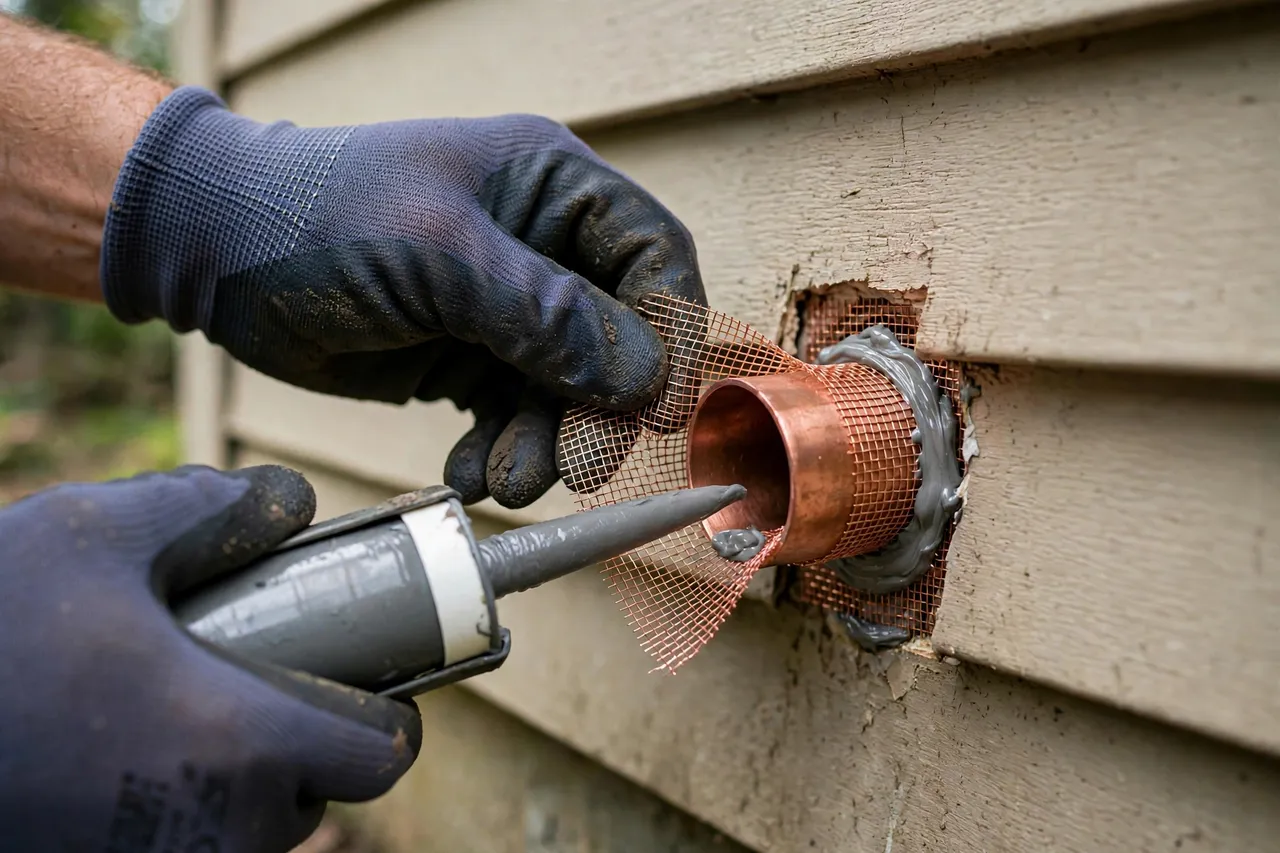
Door sweeps and small gaps. If daylight shows under your unit's door, a removable door sweep is inexpensive and usually doesn't alter the property. Stuffing gaps around pipes under your own sinks with copper mesh is similarly low-impact. Always check with your landlord before anything that changes the unit — most are happy to approve fixes that protect their building.
Traps. Snap traps along walls in the kitchen and pantry work, and they're yours to set. If you're catching mice regularly, that's evidence the problem is bigger than your unit — which brings us to the other side of the split.
The Landlord's Side of the Problem
Structural entry points — gaps in the building's exterior, broken vent screens, roofline openings, holes where utilities enter — belong to the property, not to any tenant. So does an established infestation in wall voids, attics, and shared spaces, because no tenant can seal a building or treat its walls. Generally speaking, landlords are responsible for keeping a rental habitable and for the building conditions that let pests in, while tenants are responsible for the day-to-day conditions that attract them. Your lease may say more, and local rules vary — treat this as general information, not legal advice, and read your lease first. Provo's student landlords and property managers deal with this constantly; our student housing rodent control work exists because buildings near campus need a building-level response, not apartment-by-apartment traps.
Document Everything, in Writing
Report mice to your landlord or property manager as soon as you find evidence, and do it in writing — email or the management portal, not just a phone call. Include dated photos: droppings, the gap under the door, chew marks, where you're hearing sounds. Keep your own copies. Documentation does three things: it starts the landlord's obligation promptly, it protects you if there's ever a dispute about when the problem started or whether you reported it, and it helps whoever treats the building understand the history. If roommates are reporting separately, consolidate — one clear written report with photos beats five hallway conversations.
Turnover Timing: The Semester Trap
Student rentals have a predictable weak point: move-out and move-in churn. A unit that sits empty for a few weeks between semesters is quiet, undisturbed, and often still has food forgotten in a cupboard — ideal for mice to settle in before new tenants arrive. If you're moving in, inspect before you unpack: check under sinks, behind the stove, and along the pantry walls for droppings, and report anything immediately while the unit's condition is unambiguous. If you're moving out, leave nothing edible behind. And if your building has repeated problems each fall — the season when mice move indoors along the Wasatch bench and student turnover peaks at the same time — that's a building-level pattern worth raising with management as a pattern, not an incident.
Tenants who store food properly, keep shared spaces reasonably clean, document promptly, and press for structural fixes are doing everything on their side of the line. When the building side needs doing, a professional rental property rodent proofing service addresses the entries and voids no single tenant can reach — and many Provo property managers already work with one. Point yours to the problem early, in writing, and you'll usually find the system works.
Frequently Asked Questions
Who is responsible for mice in a Utah rental — tenant or landlord?
Generally, landlords are responsible for keeping a rental habitable and for structural issues like entry points in the building, while tenants are responsible for cleanliness and food storage that attract pests. Lease terms and local rules vary, so check your lease and talk with the landlord — this is general information, not legal advice.
What can student tenants do themselves about mice?
Store all food in sealed hard containers, clean up crumbs and spills, take out trash regularly, fit a door sweep if permitted, set snap traps, and document everything with dated photos. These steps cost little and make a real difference in shared student housing.
Should I tell my landlord about mice right away?
Yes — in writing, as soon as you find evidence. Early reporting protects you, starts the clock on the landlord's side of the fix, and creates the paper trail that matters if the problem continues. Include dated photos of droppings, entry gaps, and any damage.
Keep Reading
Is Your Landlord Responsible for Pest Control in Utah?
The general rules on landlord vs. tenant responsibility.
Read →Property Manager or Landlord in Provo?
We handle the building side — inspections, exclusion, and ongoing protection for rental properties and student housing.
Call (385) 406-1774