 Provo
Provo What Attracts Mice Into Homes?

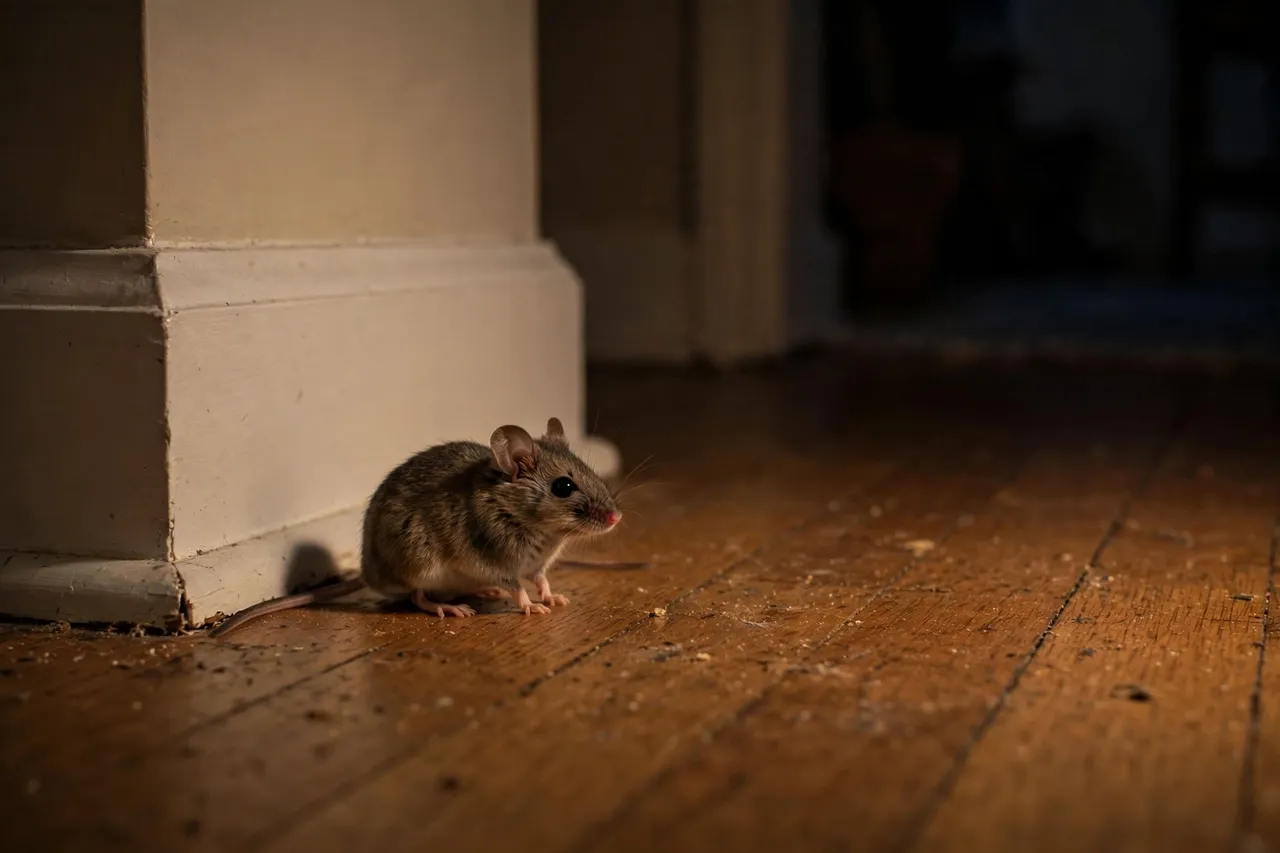
Mice are not wandering into Provo homes by accident. A mouse is running a simple calculation every night: where can I find food, water, shelter, and warmth with the least risk? If your house offers all four better than the field, fence line, or woodpile outside, the mouse moves in. Understanding what attracts mice is the first step to making your home the worse option — because once the attractors are gone, most mouse pressure drops fast.
Food: The Number One Attractor
House mice and deer mice both have excellent senses of smell and short memories for danger when calories are involved. The biggest indoor food draws are unglamorous ones. Pet food is at the top of the list — a bowl of kibble left out overnight is a reliable nightly buffet, and an open bag of dog food in the garage is even better. Bird seed is another major one in Utah County: it is stored in garages and sheds all over Provo, often in the original paper or thin plastic bag, and mice treat it like a stocked pantry. Add in pantry goods in cardboard and cellophane, crumbs and grease under stoves and refrigerators, and fallen fruit from backyard trees in late summer, and a house can feed a growing mouse population without anyone noticing.
The fix: move pet food and bird seed into hard plastic or metal containers with tight lids. Feed pets on a schedule and pick up the bowl at night. Sweep under appliances a few times a year, and store garage seed and feed off the floor. None of this requires a professional — it just removes the reward.
Water: The Attractor People Forget
Mice get much of their moisture from food, but a dependable water source makes a home far more attractive — especially during Utah's dry stretches. Slow plumbing leaks under sinks, dripping hose bibs, condensation on pipes, pet water bowls, and even the drip tray under a refrigerator can keep mice anchored to a house. A leaky pipe inside a wall has a second effect: it dampens wood and insulation, which mice happily shred for nesting material.
The fix: repair leaks promptly, insulate sweating pipes, and check under every sink twice a year. If you find droppings near a water line, that pairing of water plus shelter is exactly what the mice chose the spot for.
Shelter and Clutter: Safe Places to Hide
Mice are prey animals. They follow walls, stay in the dark, and avoid open floor. Clutter is what lets them travel and nest safely. In Provo, the classic setup is the garage: boxes stacked along walls, stored decorations, a woodpile against the house, and bins that have not moved in two years. Deer mice in particular love undisturbed storage — a box of holiday decorations in a quiet corner is a ready-made nest site. Inside, cluttered basements, storage rooms, and the dead space under stairs serve the same purpose, and attics full of stored items over insulation give mice both cover and nesting material.
The fix: store items in sealed plastic bins instead of cardboard (mice chew cardboard and nest in it), pull storage a few inches away from walls so you can inspect behind it, keep firewood away from the house, and thin out the undisturbed corners. When we perform mice control in Provo, the homes with the worst activity almost always have the most untouched storage against the walls.
Warmth: Why Fall Changes Everything
A wall void next to a heated room is one of the warmest, safest places a mouse can spend a Utah winter. As nights cool along the Wasatch bench in September and October, mice that spent summer in yards and fields start testing houses — and warmth leaking through gaps tells them where the good voids are. Furnace rooms, water-heater closets, and the voids around chimneys and vent stacks are prime nesting zones because heat rises through them all winter.
The fix: warmth itself is not the problem — access is. Sealing the gaps that let mice reach those warm voids is the real solution, and our guide to sealing rodent entry points walks through the whole house, gap by gap. Keep the warm spaces; close the doors into them.
Easy Access Ties It All Together
None of the attractors matter if mice cannot get in — and the uncomfortable truth is that most Provo homes have openings a mouse can use. A mouse fits through a gap about the width of a pencil. Garage door corners that no longer seal, gaps where pipes and AC lines enter the wall, unscreened vents, and settling cracks in foundations are the standard routes. Mice follow scent trails along these runs, so one successful entry quickly becomes a shared path.
The encouraging part: attractors stack, and so do fixes. Sealed food, dry pipes, decluttered storage, and closed gaps make a house genuinely unappealing compared to the yard. If activity continues after you have addressed the attractors, the entry points are winning — and that is usually the moment to bring in a professional inspection to find the openings you cannot see.
Frequently Asked Questions
What food attracts mice the most in a house?
Mice are drawn to easy, calorie-dense food: pet food left in bowls or open bags, bird seed stored in garages, pantry goods in thin packaging, and crumbs under appliances. Anything a mouse can smell and reach without effort is an invitation.
Can mice get into my Provo home through a tiny gap?
Yes. A mouse can squeeze through an opening about the width of a pencil — roughly a quarter inch. Gaps around pipes, garage door corners, and utility lines are the most common entry points in Utah County homes.
Do mice come inside just for warmth?
Warmth is one of four main attractors, along with food, water, and shelter. Wall voids and attics hold heat from the house, which is why mice move in during fall along the Wasatch bench and stay through winter.
Keep Reading
Signs of Mice in Your Provo Home
Droppings, sounds, and smells — how to tell if mice have already moved in.
Read →How to Seal Entry Points and Keep Rodents Out
The DIY guide to the right materials and the full house walk.
Read →Why Mice Move Indoors Along the Wasatch in Fall
The seasonal pattern behind Provo's autumn mouse rush.
Read →Mice Finding Your Home Too Attractive?
We find the entry points, remove the mice, and seal the house so the invitation is withdrawn for good.
Call (385) 406-1774