 Provo
Provo Why Mice Move Indoors Every Wasatch Fall

It happens on schedule. Sometime in October, usually within a couple of weeks of the first real cold nights, our phone starts ringing with the same sentence: "We never had mice before — now there's scratching in the attic." Nothing about your house changed in October. Everything about the world outside your walls did. Here is what drives the fall push in Provo, and why understanding it makes prevention so much more effective.
Temperature: The Bench Sends the Signal
Provo sits at the foot of the Wasatch, and fall arrives here in steps. The canyon mouths cool first; cold air drains down the bench at night; within a few weeks the whole valley floor is seeing frost. For a mouse, cold is not just discomfort — it is arithmetic. A mouse is a tiny furnace burning calories constantly, and every degree colder outdoors raises the cost of staying alive. A wall void or attic, warmed by your home's heat escaping upward, is the single best energy bargain in a mouse's world. Deer mice from the foothills and fields begin testing structures as soon as the nights turn; house mice living in garages and sheds move one step deeper indoors. The search is not random — mice follow warmth gradients, air currents, and the smell of food, which is why they so often find the gaps around pipes and vents that leak warm air outward.
Food: The Outdoor Pantry Closes
All summer, the valley feeds mice well. Grass and weed seeds, garden produce, fallen fruit from the orchard trees in older Provo yards, insects, pet food on porches — calories are everywhere. Fall shuts that pantry down in stages: gardens are harvested or killed by frost, fruit drops and rots, seeds get eaten or buried under leaf litter and snow. At the same moment, your home's food supply stays constant — pantry goods, pet food, crumbs behind the stove, birdseed in the garage. The contrast is the attraction. A mouse does not need to get into your pantry to benefit; a garage with a bag of dog food is already a dramatic upgrade over a frozen field.
Shelter: Winter Is Coming, and Mice Know It
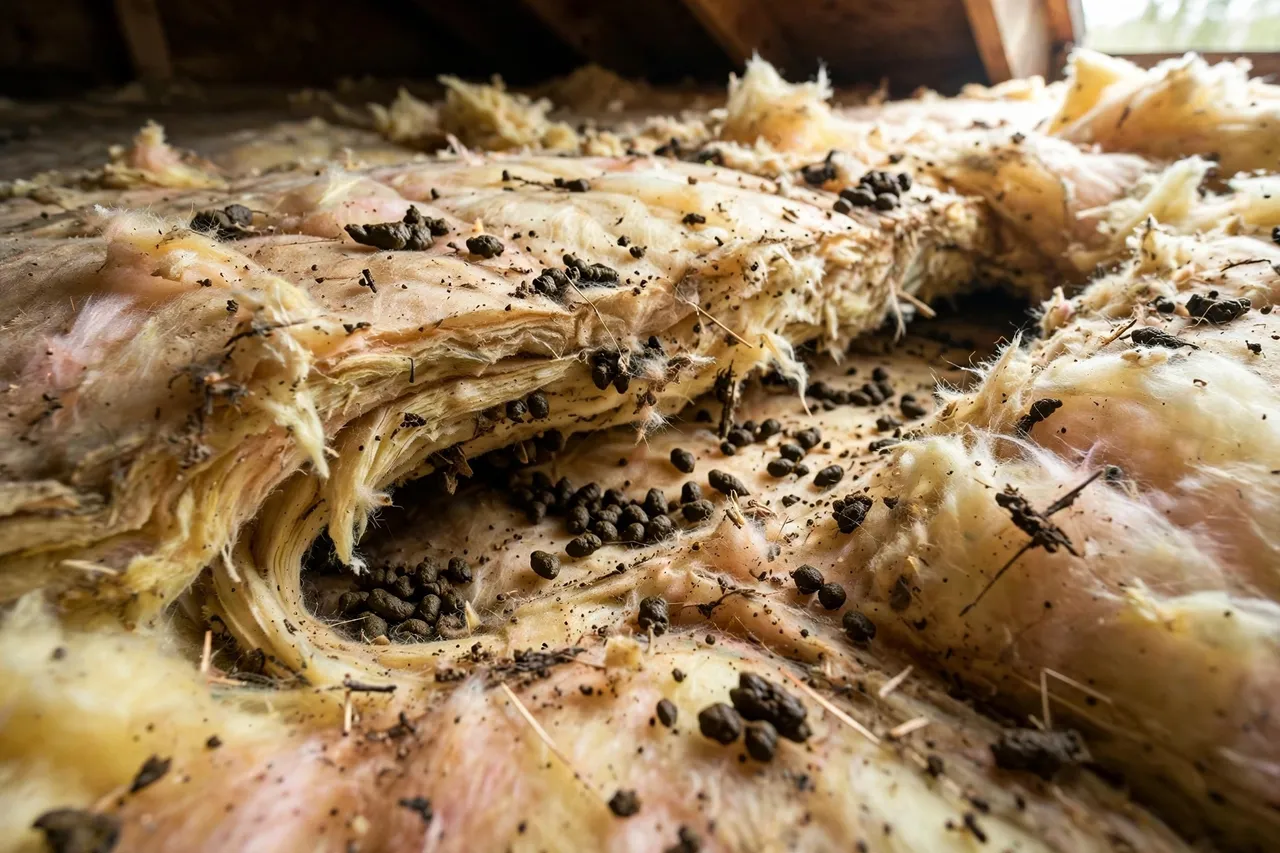
Mice do not hibernate. They stay active all winter, and survival depends on a nest site that is dry, protected from predators, and insulated. Natural options — burrows, rock piles, brush — work, but they flood, freeze, and get dug up. The insulated void above your ceiling offers stable temperatures, perfect nesting material (your insulation), and safety from every owl and cat in the neighborhood. Females that establish in fall can raise litters indoors through the winter, which is why a "couple of mice" in October so often becomes a well-populated attic by February.
What October Looks Like on a Provo Street
Put the three drivers together and the neighborhood pattern makes sense. The bench homes feel it first — deer mice coming down from the brush as canyon air cools. Homes near fields, orchards, and the river corridor feel it next. Interior blocks with older housing stock get their wave as house mice move from yards and garages into walls and attics. By the first lasting snow, the sorting is mostly done: mice that found a way in are residents; mice that did not keep searching, which is why a house that was fine in October can still get its first visitor in December.
The Early Signs To Watch For
The fall invasion announces itself quietly. A few droppings along a garage wall. Scratching that happens only on the coldest nights at first. A mouse glimpsed crossing the driveway at dusk. These are mice testing — and testing is the moment when sealing works best, because the animals are not yet established or breeding indoors. Our guide to the signs of mice shows you what to check, and the fall attic checklist covers the sealing itself. Catch the season at the testing stage, and winter stays quiet.
Quick Questions
Do mice hibernate if they stay outside?
No — mice stay active all winter. Deer mice and house mice keep foraging in cold weather, often under snow cover, which is exactly why a warm structure with stored food is so attractive: it cuts their exposure and energy costs dramatically.
Why does my house get mice some falls and not others?
Outdoor population cycles are the main reason. A mild winter and a good food year outdoors mean more mice alive by fall — and more pressure on every house on the street. A gap that went untested in a low year gets found in a high one.
If I seal my house, will the mice just go to my neighbor?
Honestly, yes — mice that cannot get in keep moving and test the next structure. That is how it works on every street in Provo. Being the sealed house on the block is exactly the position you want.
Keep Reading
Keep Mice Out of Your Attic Before Winter
The practical sealing checklist to run before the cold nights arrive.
Read the post →Signs of Mice in Your Provo Home
Read the droppings, sounds, and grease marks like an inspector.
Read the post →What Attracts Mice Into Homes?
The invitations most homes send without knowing it — and how to cancel them.
Read the post →The Fall Push Is On. Is Your House Sealed?
If mice are testing your home now, an inspection and exclusion beat a winter of scratching. Call Provo Rodent Pros, Mon–Sat, 7am–7pm.
Call (385) 406-1774