 Provo
Provo Rodent Control for Provo Warehouses & Industrial Buildings
Warehouses do not get rodent problems the way houses do — they get rodent systems: mice living their whole lives inside pallet racking, rats commuting from the dumpster to the dock door every night. In Provo's East Bay industrial area, Provo Rodent Pros builds monitoring and exclusion programs sized for big buildings and the audits that come with them.
Call (385) 406-1774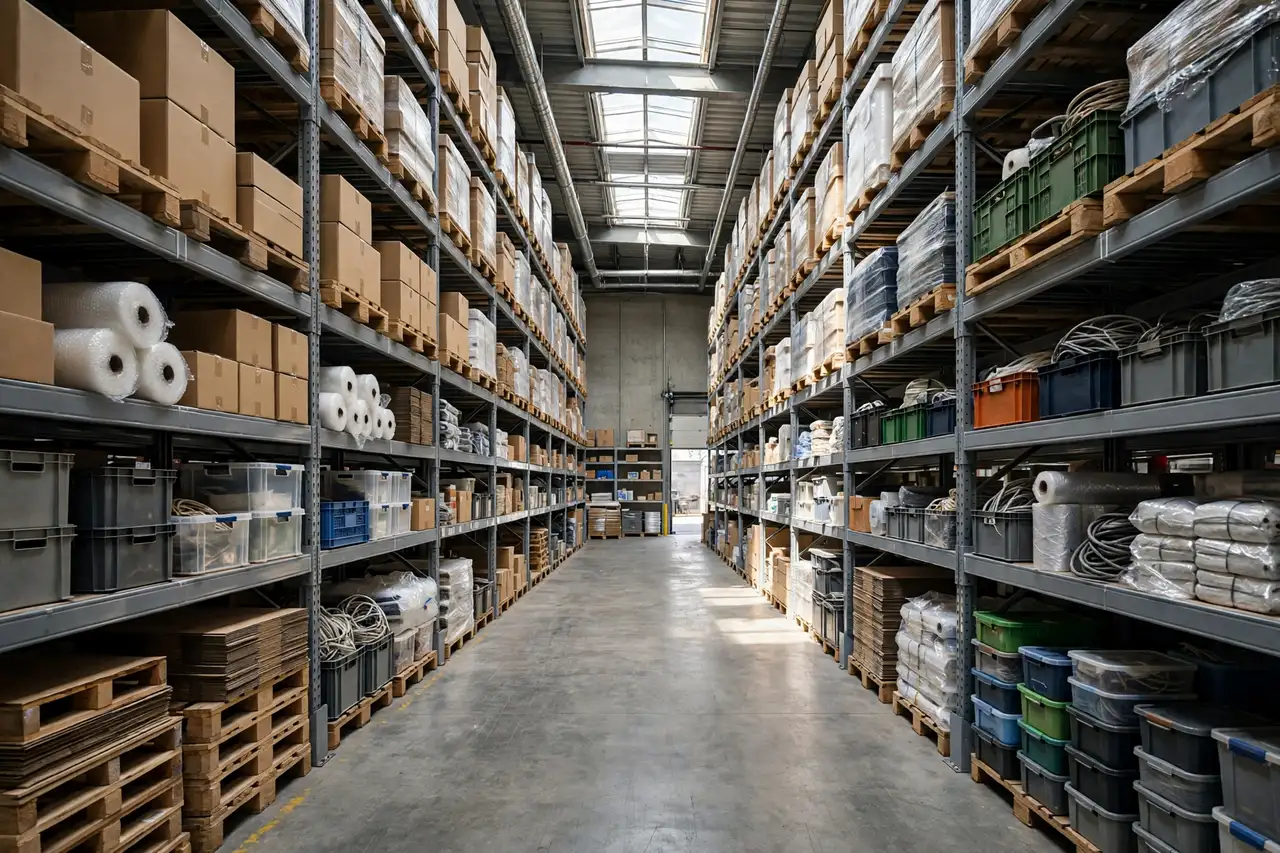
Warehouse Rodent Control, Done Right
A warehouse is rodent habitat at industrial scale. Pallet racking gives mice vertical neighborhoods with food, nesting material, and shelter in every bay. Dock doors open a dozen times a day and rarely seal tight at the corners. Break rooms add food and water. Outside, the lot offers weeds, stored pallets, dumpsters, and — in East Bay — open ground running toward the river bottoms and rail corridors where Norway rats live year-round.
Deer mice are the usual warehouse resident in Utah County, and they are built for it: small enough to pass under a door with a quarter-inch gap, happy to nest inside shrink-wrapped product, and a genuine health concern because their droppings can carry hantavirus when disturbed by sweeping or forklift traffic. House mice fill the same role in warmer interiors. The job is never just catching the mice you have. It is finding the doors they use, the stations that detect them, and the habits that feed them.
That is why our warehouse service is a program, not a visit: mapped monitoring, scheduled checks, exclusion work on the building shell, and a paper trail that stands up to customer audits and food-safety standards.
How We Get It Done
Survey the shell first. Dock doors and levelers, personnel doors, utility penetrations, expansion joints, roof access points, and the dumpster and compactor area. Most warehouse infestations enter at dock-door corners and worn seals — we find them all and rank them.
Map monitoring stations. Stations go along interior wall lines, at dock doors, near break rooms and restrooms, and at utility entries — the routes rodents travel. Every station is numbered and mapped, so each check produces comparable data, not impressions.
Work the racking. We inspect at the level mice live: bottom beams, pallet feet, stored cardboard, and quiet corners where droppings collect undisturbed. Where product is at risk, we will tell you plainly which aisles are active.
Seal and repair. Dock-door seals and sweeps, gaps around conduit and pipes, screened vents, and holes in the shell. In a warehouse, five sealed dock doors do more than five hundred traps.
Report like an auditor is reading. Every visit: stations checked, activity by location, captures, exclusion completed, and corrective recommendations (pallet storage away from walls, vegetation cut back, dumpster lids closed). Trend the reports and you can watch pressure drop.
Season matters in Utah logistics buildings. The fall cold snap that fills Provo attics with deer mice fills warehouse wall voids the same week, as rodents leave harvested fields and open lots along the East Bay fringe. Operators who schedule their shell survey in late summer — seals checked, stations mapped, dock corners closed — meet that wave with a closed building instead of an emergency call in November.
Signs You Need Warehouse Rodent Control
Watch for droppings along wall lines and on bottom rack beams; gnawed packaging, shrink wrap, or product; nesting material in stored cardboard or quiet corners; mice seen at shift change when the building goes quiet; urine odor in enclosed storage; and activity spikes every fall when cold weather pushes field rodents — including voles from surrounding lots — toward the building. If your team is setting hardware-store traps in the break room, the building has already told you it needs a program.
Honest Advice Before You Book
Beware the program that is only bait boxes around the exterior. Exterior stations have a role, but if nobody is monitoring the interior wall lines and dock doors, you are paying for a fence while the mice live in the racking. Ask any provider where their interior stations go and what their reports show — if the answer is vague, so is the service.
Also, plan for exclusion costs honestly. On older East Bay buildings, door seals and shell repairs are often the largest line item — and the one that actually ends the problem. We will rank repairs by impact so you can phase them, but we will not pretend a trapping-only plan fixes an open building.

Warehouse Rodent Control FAQs
How do you monitor a large warehouse without traps everywhere?
We place monitoring stations at the points rodents actually use — along walls, at dock doors, near utility entries, and around break rooms — and map every station. Checks follow the map, results are logged, and rising activity at one station tells us where pressure is building before it spreads.
Can you work around our shipping schedule?
Yes. Most warehouse work happens during our Mon–Sat 7am–7pm hours, and we schedule inspections and exclusion work around your dock traffic and shifts. Sealing work on dock doors is planned for your slowest windows.
Our customer audits ask about pest management. What do we show them?
Your service file: station maps, dated service reports, activity logs, and records of exclusion repairs. Auditors want to see a documented program with trend data, and that is exactly what our warehouse service produces.
Is it mice or rats in a warehouse, usually?
In Provo industrial buildings it is most often deer mice and house mice traveling racking and wall lines, with Norway rats possible near dumpsters, drains, and rail-adjacent lots. We confirm the species from droppings and signs during inspection, because the control plan differs.
Related Services
Commercial Rodent Control
The full commercial program — inspection, removal, exclusion, and documentation for every Provo business type.
All commercial services →Rodent Exclusion
Dock seals, vents, and shell repairs that turn an open warehouse into a closed one.
Exclusion services →Rodent Inspection
A full-structure inspection with a written findings report — the right first step for a new facility or a new audit requirement.
Book an inspection →Protect the Product. Pass the Audit.
Call for a warehouse survey — shell, racking, stations, and a written plan your next auditor will like. Mon–Sat, 7am–7pm.
Call (385) 406-1774