 Provo
Provo Mice in the Attic in Provo, UT
Running footsteps overhead at 2 a.m., scratching above the bedroom ceiling, droppings on the insulation. We clear Provo attics properly — mice out, contamination handled safely, roofline sealed.
Call (385) 406-1774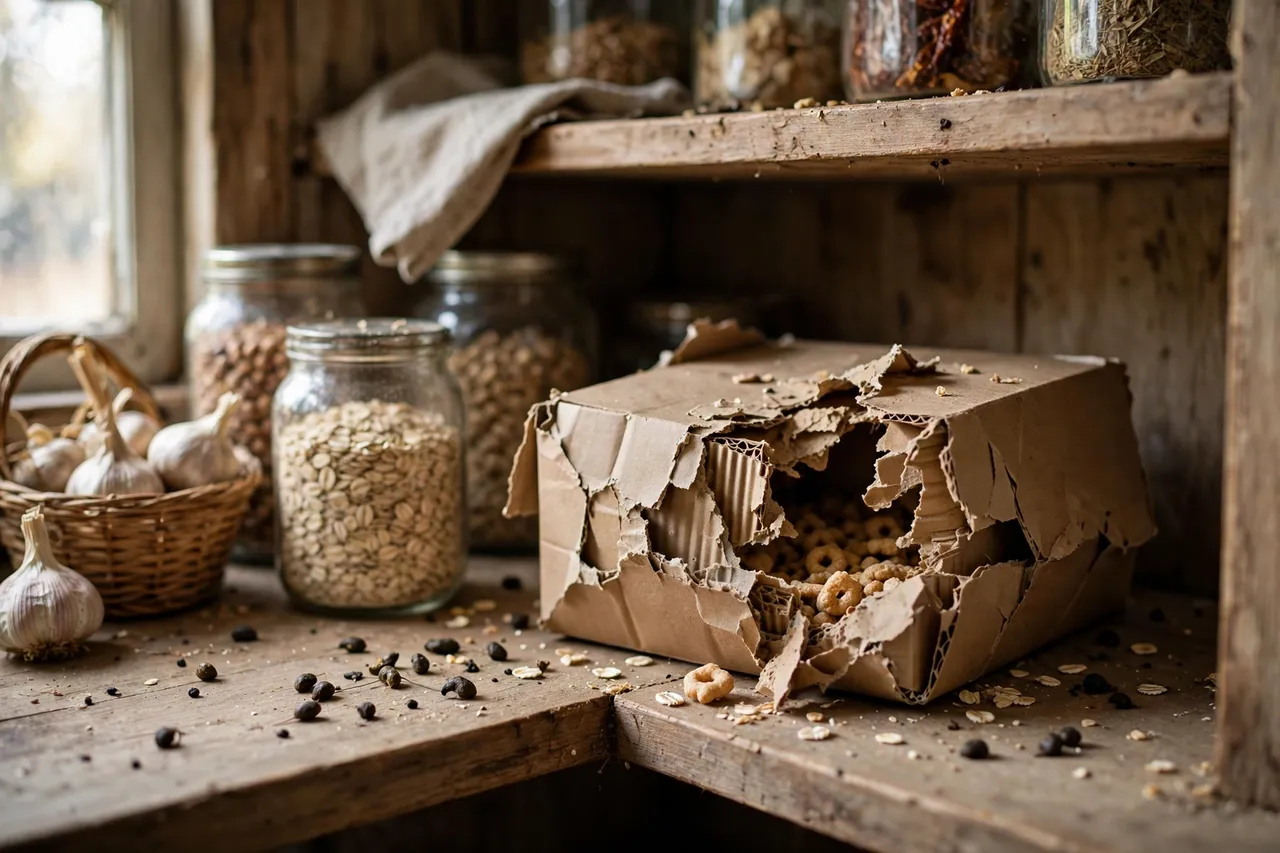
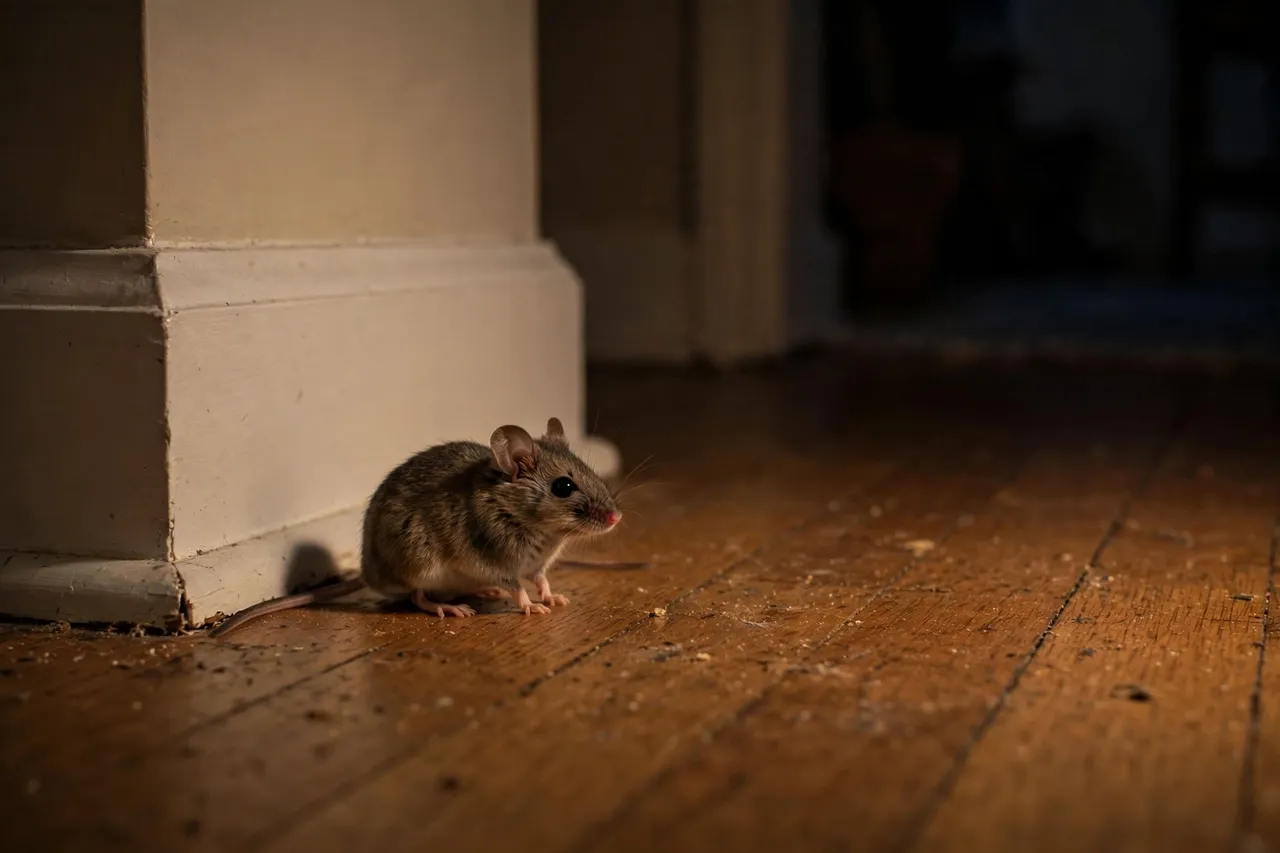
The attic is where Provo's mouse problem lives. For a deer mouse coming down from the foothills, or a house mouse climbing a wall void from the garage, the attic offers everything: warmth rising from the house below, deep insulation to tunnel and nest in, and almost no disturbance. Most homeowners never see an attic mouse — they hear it. Light running across the ceiling joists after dark. Scratching in one spot above a bedroom. Occasionally a faint rolling sound that is a mouse moving a stolen piece of dog food or a seed.
By the time sounds are nightly, the mice have usually been up there a while. Attic colonies build nests of shredded insulation and whatever soft material they can carry, leave droppings and urine along their runs, and chew — insulation, stored belongings, and sometimes wiring and the flexible ducts that run through so many Utah attics. Clearing them out is only half the work; the other half is dealing with what they left behind and closing the roofline routes they used.
Mice in the Attic, Done Right
An attic job fails when it is treated as just setting a few traps by the hatch. Mice travel the edges — along the top plates of walls, through the eaves, around duct runs — and traps and inspection have to follow those routes. It also fails when the contaminated insulation is ignored, or worse, stirred up by someone sweeping it dry. Done right: a full attic inspection, route-based trapping, safe cleanup of droppings and nesting, an honest call on the insulation, and roofline exclusion that keeps the next wave of fall mice out.
How We Get It Done
Inspect the whole attic, not just the hatch. We check eaves, wall tops, duct runs, and stored items for droppings, nests, rub marks, and tunneling in the insulation. The pattern tells us the species, the size of the problem, and the routes they run.
Trap along the runs. Traps are placed on the joists and wall plates mice actually travel, concentrated where sign is freshest, and checked through the removal period until activity stops.
Clean up safely. Droppings and nesting are treated with disinfectant and removed wet — never dry-swept, never vacuumed with a household machine. This matters because Provo attic mice are most often deer mice, the hantavirus species.
Assess the insulation honestly. Spot contamination can be cleaned; matted, tunneled, urine-soaked insulation is a removal-and-replace conversation. We show you photos of your own attic so the recommendation is something you can see, not take on faith. Full cleanup options are covered under our rodent damage cleanup service.
Seal the roofline. Eave gaps, vent screens, pipe boots, flashing separations, and the ground-level gaps feeding the wall voids all get closed with chew-proof materials.
Signs You Need Attic Mouse Removal
Running, scratching, or scurrying sounds overhead — almost always between dusk and dawn; droppings on insulation, stored boxes, or the attic floor, concentrated along edges and joists; insulation that looks tunneled, flattened into paths, or gathered into nest mounds; a stale, ammonia-like smell near the attic hatch on warm days; gnawed wiring, duct tape, or stored holiday items; and activity that begins or sharply increases with the first cold weather in fall. If your home backs onto the foothills in Edgemont, Rock Canyon, or Indian Hills, treat the first cold-week sounds as a near-certainty of deer mice and act while the group is still small.
Honest Advice Before You Book
Peeking through the hatch with a flashlight costs nothing and tells you a lot — scattered droppings near the hatch are one thing; droppings and tunnels across the whole attic are another. What we advise against is crawling through a contaminated attic yourself to set traps or, worst of all, sweeping droppings or running a shop vacuum over them; dry disturbance of deer mouse droppings is precisely the exposure route health guidance warns about. Also skip poison bait stations in the attic: mice that die in eaves and wall tops create an odor you cannot reach, and the smell outlasts the mice by weeks. If the sounds are occasional and droppings are few, a professional trapping-and-sealing visit now is short and simple. If the attic has hosted mice through a winter or more, expect cleanup to be part of the job — and know that it is still far easier this fall than after another breeding season.
Mice in the Attic FAQs
How do mice get into my attic if I never see them in the house?
Attic mice usually never enter your living space at all. Deer mice climb exterior walls, trees, and utility lines and slip in at the roofline — under lifted shingles, at eave and soffit gaps, through unscreened attic vents, or where the chimney flashing has separated. Ground-level mice reach the attic through wall voids from garage and foundation gaps. An attic infestation can be well established in a home that looks mouse-free downstairs.
Does the insulation have to be replaced after mice?
Not always. Light, short-term activity with scattered droppings can often be spot-cleaned safely. But insulation that is tunneled through, matted with urine, or holding nests and heavy droppings is contaminated material — it loses insulating value and should not stay above your family. On the inspection we will show you exactly what we find and tell you honestly which category your attic falls into.
Is it safe for me to go up and look at the attic myself?
Looking from the hatch with a flashlight is fine. Climbing in and crawling through droppings and nesting material is where the risk is, because deer mouse droppings can carry hantavirus and the exposure comes from breathing disturbed dust. Never dry-sweep or use a household vacuum up there. If the droppings look extensive, stay out and let us inspect with protective equipment and wet cleaning methods.
Why do attic mice get loud in the fall?
Because most of them just arrived. September through November is when cold off the Wasatch bench pushes deer mice out of the foothills and into structures, and the attic is their first choice — warm, quiet, full of nesting material. The running, scratching, and rolling sounds at night are new arrivals establishing routes and nests. It is also the best time to act, before a few mice become a breeding population by winter.
Related Mice Control Services
Mice Control
The full mice control service — inspection, removal, exclusion, and prevention for Provo homes.
Mice Control →Deer Mouse Control
The attic's most common tenant in Provo — identification, safe handling, and roofline sealing.
Deer Mouse Control →Rodent Damage Cleanup
When the mice are gone but the droppings, urine, and ruined insulation are not.
Rodent Damage Cleanup →Sounds Overhead Tonight?
Attic mice don't leave when the weather warms — they breed. Call Provo Rodent Pros for an attic inspection and a sealing plan that closes the roofline.
Call (385) 406-1774